background image
Aqua Diary
  • Community Aquariums
  • Articles
  • Install
  • Log In
Aqua DiaryAqua Diary
  • Terms of Service
  • Privacy Policy
  • Cookies
  • Data Deletion
  • Help & Support
  • Website Map
Aqua Diary © 2026 All rights reserved.
Montezuma dwarf crayfish
Crayfish

Montezuma dwarf crayfish

Cambarellus montezumae

Taxonomy

Phylum:
Arthropoda
Subphylum:
Crustacea
Class:
Malacostraca
Order:
Decapoda
Suborder:
Pleocyemata
Family:
Cambaridae
Genus:
Cambarellus

About the species

Key features:
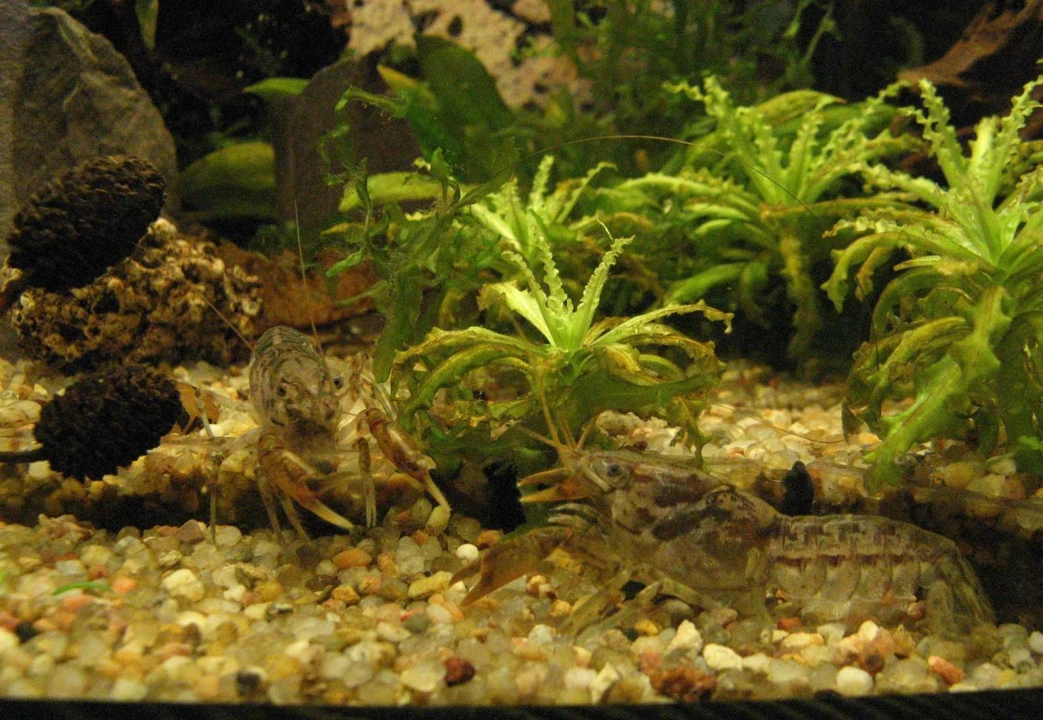
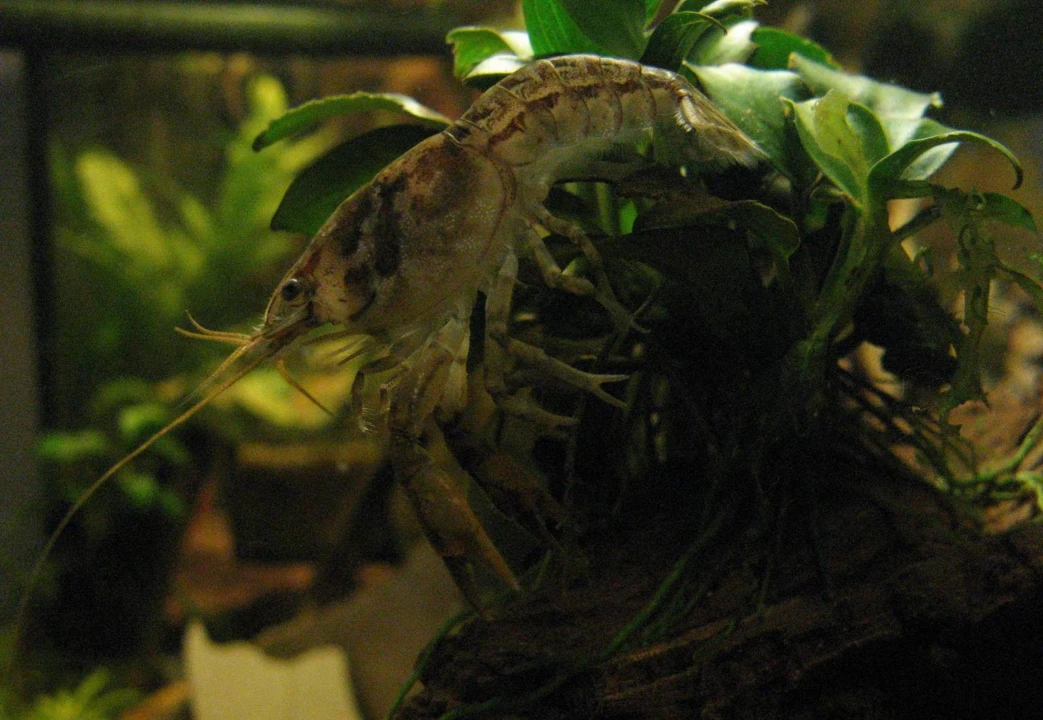
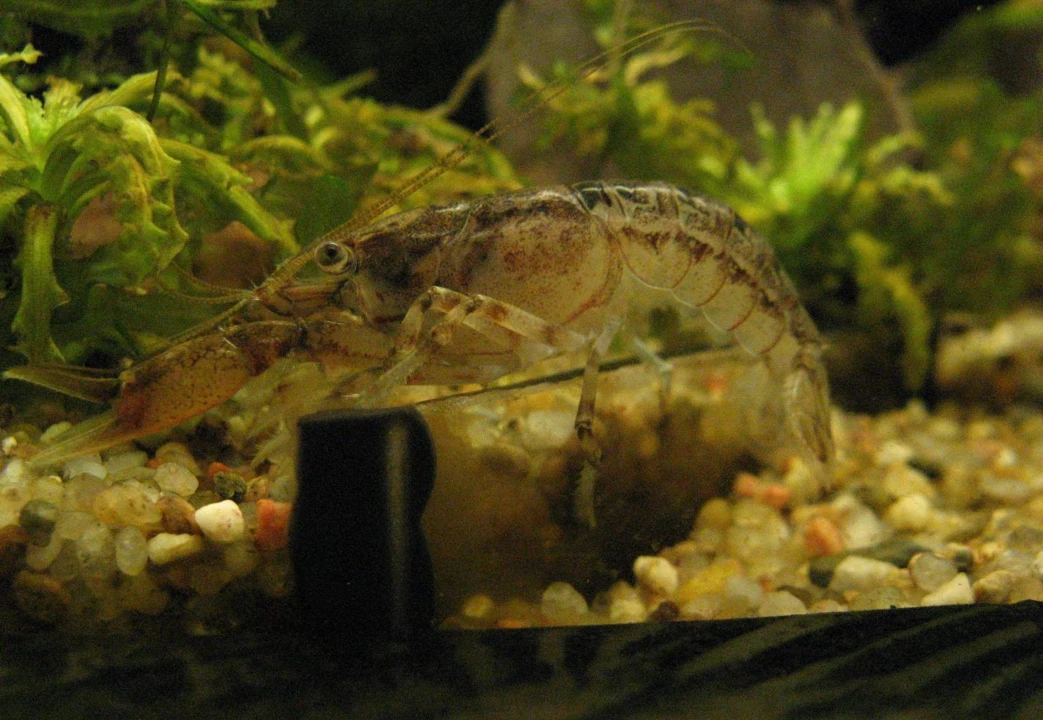
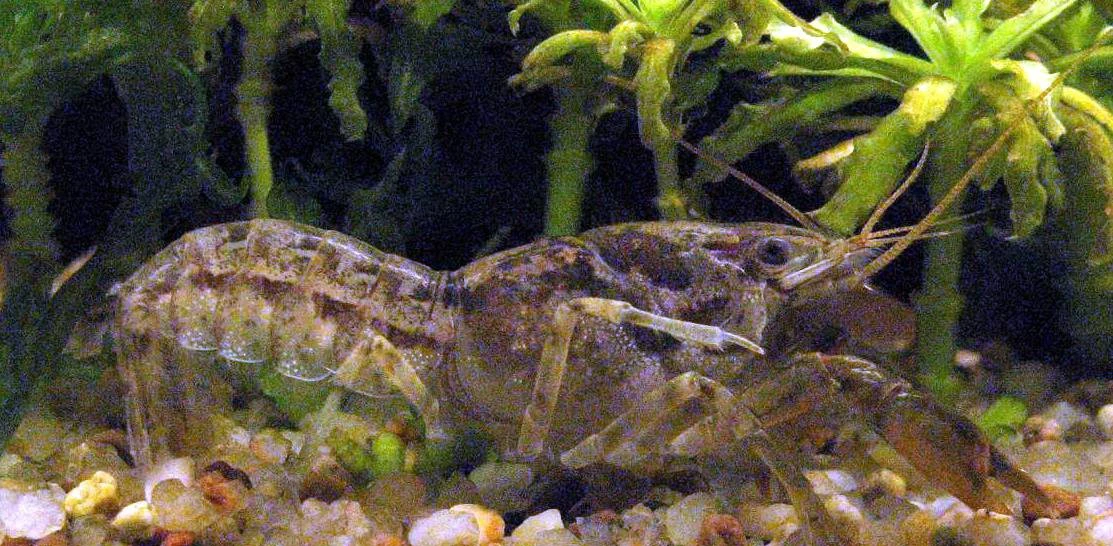
Light gray-brown to dark red-brown animals. There are striped and marbled variants. In terms of their proportions, the crayfish are more robustly built than "CPOs".
Origin:
Mexico
Coloration:
Inconspicuous

Tank

Tank length:
60–180 cm
Nano tank:
No
Species tank:
No
Light:
Tolerates strong light
Special requirements:
Hiding places

Water parameters

Temperature:
20–30 °C
pH:
6–8
GH:
5–30 °dH
KH:
5–25 °dH

Food and tankmates

Shrimp compatibility

Shrimp offspring
Dwarf shrimp
Amano shrimp

Breeding

Development type:
Direct (young look like adults)
Number of young:
15-40
Frequency:
Sexual maturity at 3 to 4 months, egg-carrying period 3 to 5 weeks

Description

The small Mexican crayfish Cambarellus montezumae is somewhat more robustly built than, for example, Cambarellus patzcuarensis "Orange". However, it is somewhat more peaceful, and conspecifics often avoid each other.

Water parameters are not particularly important for keeping and breeding, but they should remain within the usual ranges and should not fluctuate greatly.

If enough hiding places are available and all the crayfish can retreat, a few crayfish will usually also be out exploring. They will often threaten you when you step in front of the tank. To do this, the crayfish raise their claws and quickly take another step toward the glass. They like to climb, so the tank should be covered at the top. They will also find small holes and gaps to see where they might lead.

They all turn up at feeding time and fight over the large chunks. If they are lucky and catch a shrimp, they will eat it too. However, this happens only extremely rarely. They prefer to run away from large shrimp, including fully grown Amano shrimp.

The animals retreat to a hiding place to molt. During molting, they are easy prey for other crayfish, so too many crayfish should not be kept in one tank.

How breeding happens

After fertilization by the male crayfish, the female carries the eggs until the juvenile crayfish hatch.