background image
Aqua Diary
  • Community Aquariums
  • Articles
  • Install
  • Log In
Aqua DiaryAqua Diary
  • Terms of Service
  • Privacy Policy
  • Cookies
  • Data Deletion
  • Help & Support
  • Website Map
Aqua Diary © 2026 All rights reserved.
Zebra shrimp
Zebra shrimp
Shrimp

Zebra shrimp

Caridina babaulti "Stripes"

Taxonomy

Phylum:
Arthropoda
Subphylum:
Crustacea
Class:
Malacostraca
Order:
Decapoda
Suborder:
Pleocyemata
Family:
Atyidae
Genus:
Caridina

About the species

Key features:
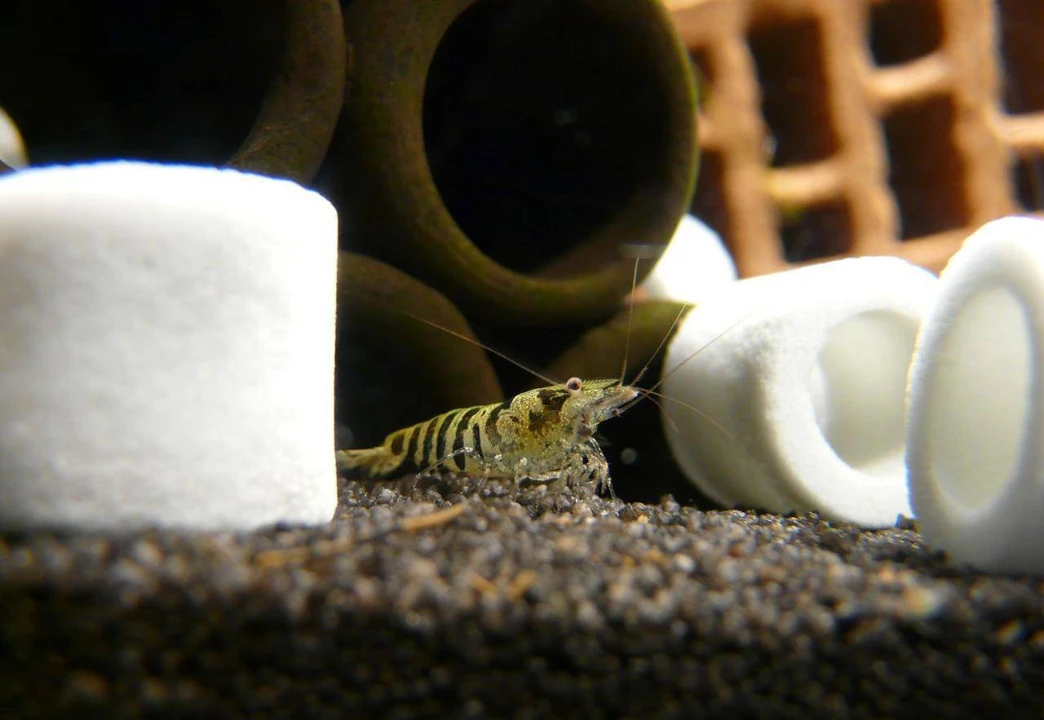
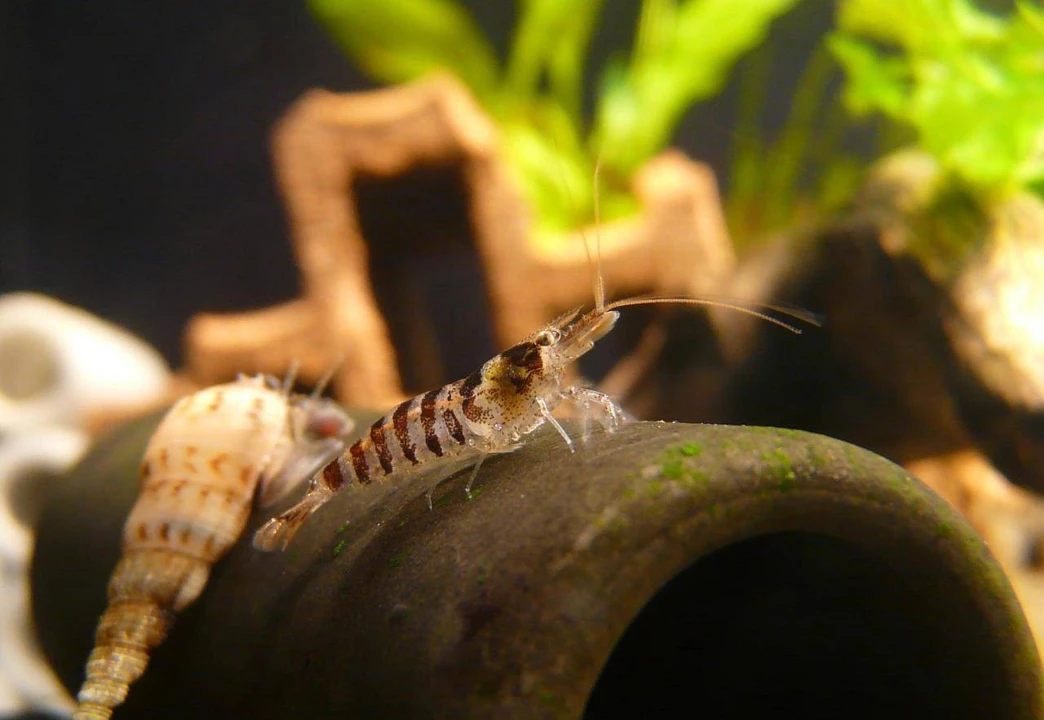
Dark transverse stripes on a pale, transparent to greyish or brownish background. Males and females are coloured differently.
Origin:
India
Male:
2–2.5 cm
Female:
2.5–3 cm

Tank

Tank length:
30–180 cm
Nano tank:
Yes
Species tank:
No
Min. group:
10 pcs
Light:
Prefers shade
Special requirements:
Hiding places, Roots, Stones

Water parameters

Temperature:
25–30 °C
pH:
7–7.5
GH:
8–22 °dH
KH:
0–8 °dH

Plants

Plants in the tank:
Yes
Behavior toward plants:
Nibbles when hungry

Food and tankmates

Food

Blanched lettuce
Algae
Cauliflower
Nettle leaves
Beech leaves
Flake food
Cucumber
Carrots
Potatoes
Dandelion
Catfish tablets

Shrimp compatibility

Shrimp offspring
Dwarf shrimp
Amano shrimp

Safe medications

Fenbendazole (Panacur)

Breeding

Development type:
Direct (young look like adults)
Number of young:
20–30
Clutch size:
20–30 (50–80)
Frequency:
Every 4–6 weeks

Description

This shrimp, native to India, lives a rather hidden life and usually begins to appear more often only after it has acclimated well. Caridina babaulti "Stripes" prefers well-structured tanks with plenty of plants and not too much light. A dark substrate should be preferred when keeping this shrimp, as it makes the animals look more attractive and allows them to display their full splendour.

How breeding happens

The reproductive type of Caridina babaulti is not fully specialised: although this shrimp reproduces in freshwater, the relatively small eggs do not hatch into fully developed juveniles, but into tiny bottom-dwelling larvae. After a few days, these moult and become juvenile shrimp. Compared with other shrimp species, they grow relatively slowly.

The tiny larvae must be protected from fish and filter intakes, the latter by means of very fine material.