background image
Aqua Diary
  • Community Aquariums
  • Articles
  • Install
  • Log In
Aqua DiaryAqua Diary
  • Terms of Service
  • Privacy Policy
  • Cookies
  • Data Deletion
  • Help & Support
  • Website Map
Aqua Diary © 2026 All rights reserved.
Red Bee Shrimp
Red Bee Shrimp
Red Bee Shrimp
Red Bee Shrimp
Red Bee Shrimp
Red Bee Shrimp
Shrimp

Red Bee Shrimp

Caridina cf. cantonensis "Red Bee"

Taxonomy

Phylum:
Arthropoda
Subphylum:
Crustacea
Class:
Malacostraca
Order:
Decapoda
Suborder:
Pleocyemata
Family:
Atyidae
Genus:
Caridina

About the species

Key features:
Red-and-white coloration
Origin:
Japan, China
Coloration:
Colorful
Male:
1.5–2 cm
Female:
2–2.8 cm

Tank

Tank length:
30–180 cm
Nano tank:
Yes
Species tank:
No
Min. group:
10 pcs
Light:
Tolerates strong light

Water parameters

Temperature:
15–25 °C
pH:
5–7.5
GH:
1–10 °dH
KH:
0–4 °dH

Plants

Plants in the tank:
Yes
Behavior toward plants:
Nibbles when hungry

Food and tankmates

Food

Blanched lettuce
Nettle leaves
Beech leaves
Frozen food
Cucumber
Carrots
Dandelion
Catfish tablets

Shrimp compatibility

Shrimp offspring
Dwarf shrimp
Amano shrimp

Safe medications

Fenbendazole (Panacur)

Breeding

Development type:
Direct (young look like adults)
Number of young:
Approx. 35 juveniles
Clutch size:
Approx. 35 eggs
Frequency:
With good water quality, approximately every 4–6 weeks

Description

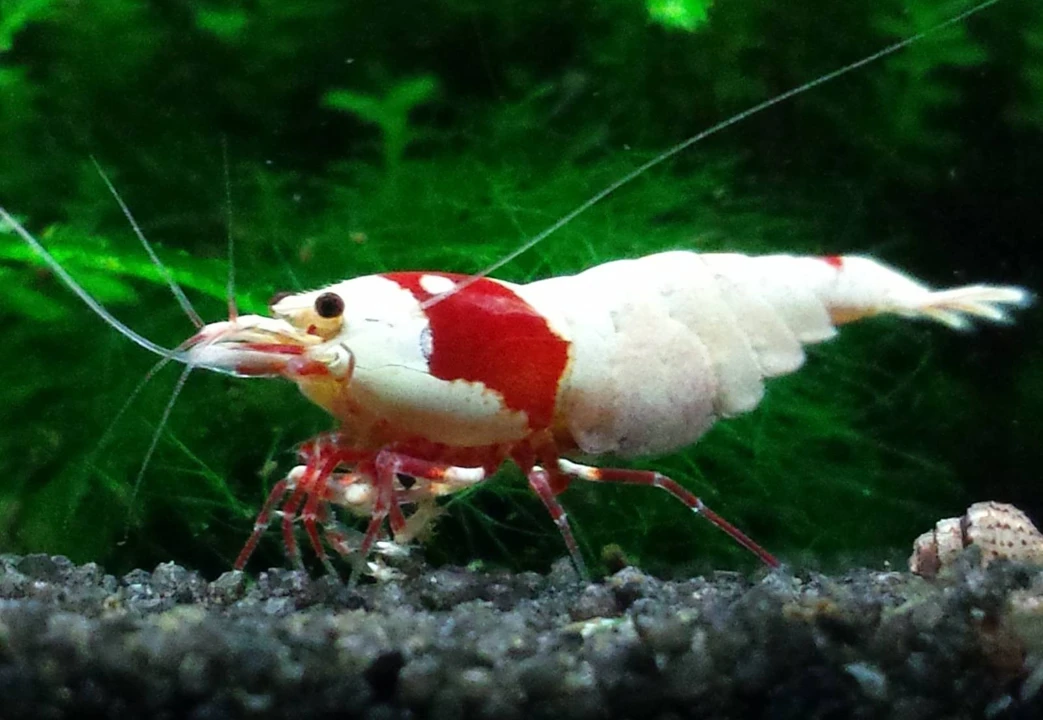
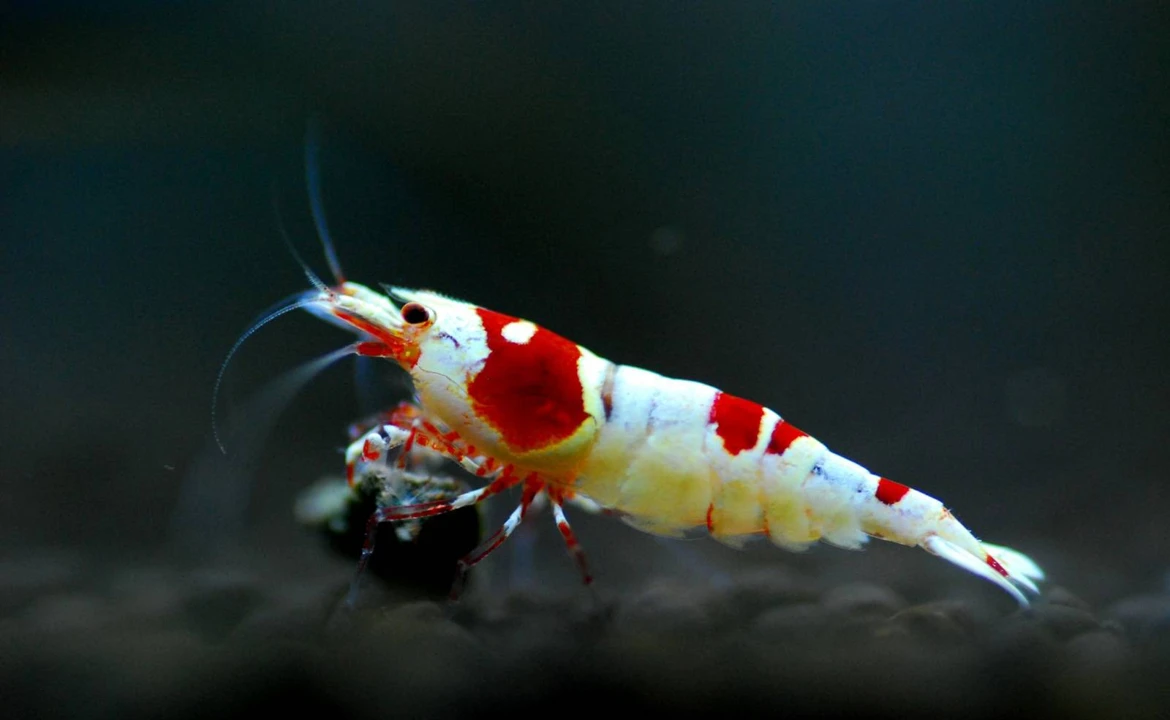
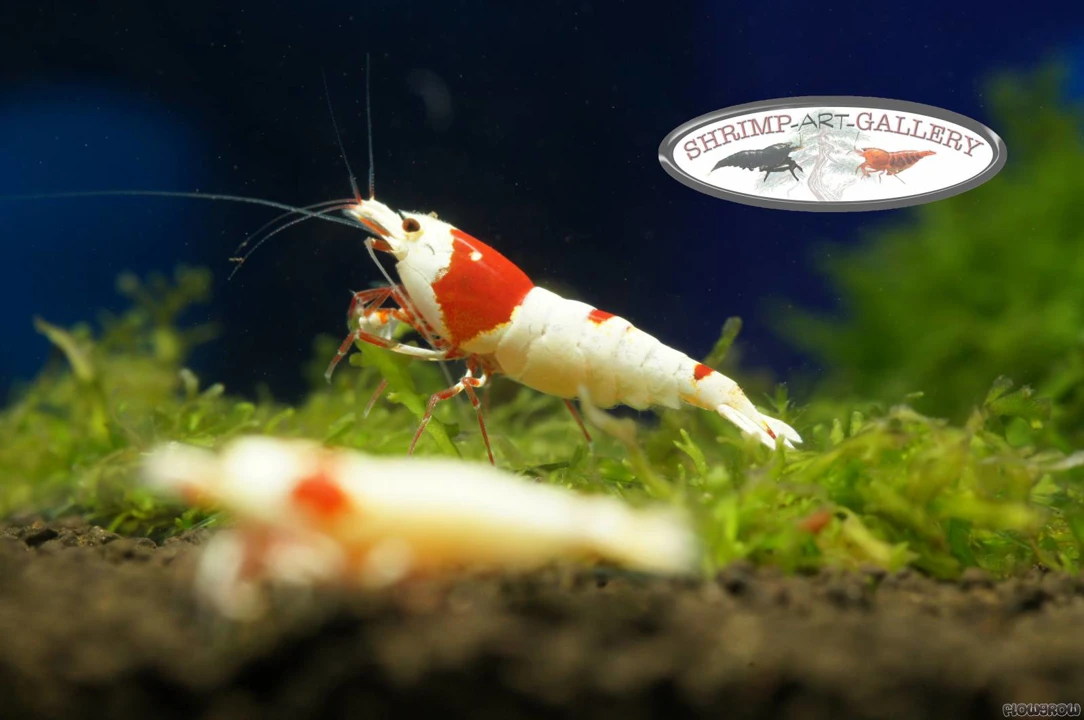
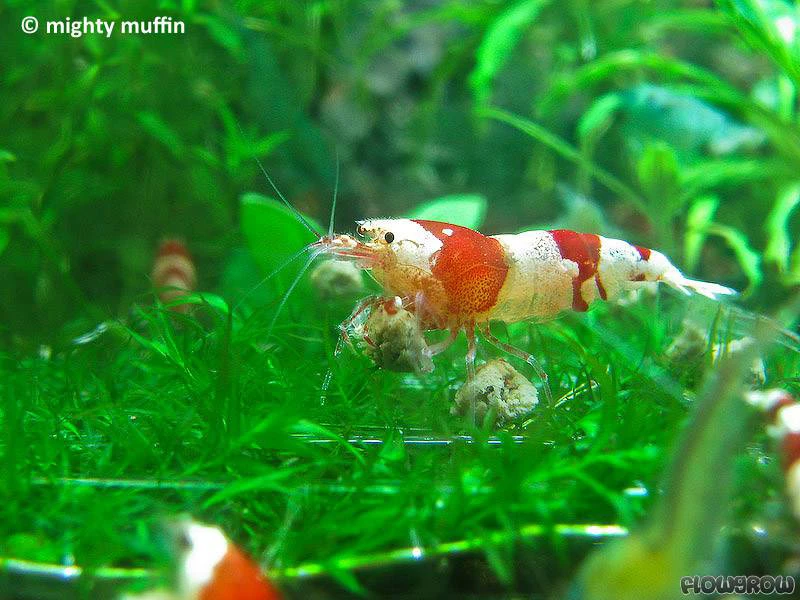
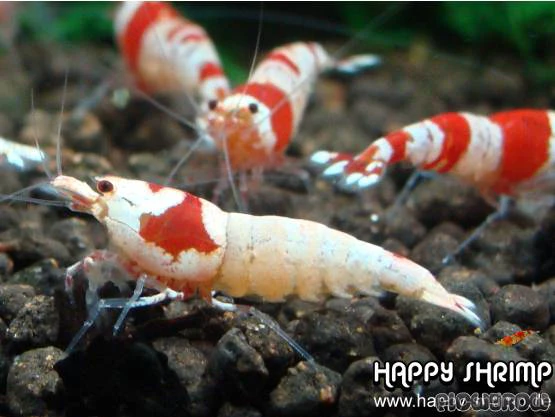
The Red Bee Shrimp, arguably one of the most beautiful shrimp, was bred in Japan. The Red Bee is by no means a beginner shrimp, as it has certain care requirements, particularly regarding water quality.

The pH should be between 5.5 and 7, carbonate hardness between 0 and 3, and general hardness no higher than 9. However, according to reports, these shrimp have often also been successfully bred in harder water with a pH of approximately 7.8. The temperature should under no circumstances exceed 23 °C; it is said that this shrimp cannot be bred at temperatures of 25 °C or above. The tank volume should under no circumstances be less than 12 l, and preferably at least 20 l, as otherwise a biological imbalance could develop very quickly.

Japanese and German breeders often keep their high-grade lines on specific substrates (soils) that have been marketed especially for Red Bee keepers. Such substrates lower the water hardness and pH. Breeders combine them with an undergravel filter connected to an external filter. This may well represent the ideal setup, but these animals can also provide a great deal of enjoyment in tanks with conventional substrates and a sponge filter.

Expensive high-grade specimens are often fed special shrimp food from Japan. This food contains many important minerals and trace elements intended to help the offspring develop better body coloration and vitality.

There are different breeding lines of the Red Bee Shrimp. They are classified into several levels, known as grades. These include: 3-Band, 4-Band, Tigertooth, V-Band, Hinomaru, Double Hinomaru and Mosura.

Different breeders pursue their own lines, meaning that they have set specific breeding goals that they aim to achieve (e.g. attractive red coloration, good white coloration, colored legs, large animals, particularly adaptable animals, etc.).

How breeding happens

Breeding the Red Bee is similar to breeding the other Bees. If the water quality is good and the water parameters are correct, sexually mature females develop an egg saddle at the back of the head. During the next molt, the male attaches a spermatophore to the female, which then attempts to press the eggs previously produced in the saddle into her abdominal brood pouches. There should normally be approximately 20–40 eggs. Inexperienced females often lose some of the eggs, and sometimes even all of them. After approximately 4 weeks, the female releases the juveniles, which immediately hide in the moss. There they graze all surfaces for microorganisms and are constantly searching for food. At this still very young age, molts occur relatively frequently. However, their frequency steadily decreases with age. The animals become sexually mature at approximately 3–3 1/2 months.

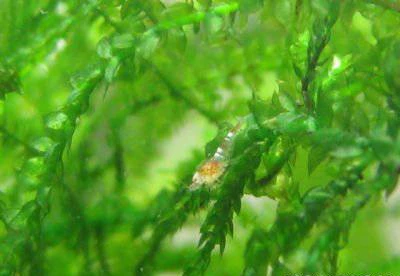
To achieve better rearing success rates, it is advisable to use rearing food. Aquarium mosses such as Java moss (Taxiphyllum barbieri) are often used when rearing the juveniles, as they provide numerous hiding places, accumulate mulm, microorganisms, algal growth, etc., and are grazed by the young shrimp.

Precisely because juveniles like to stay in moss, it must be chosen carefully. The juveniles hide deep within stands of moss, but unfortunately these are exactly the places where oxygen-poor zones are often found. The moss should therefore be trimmed regularly or kept loose, or sufficient water flow through it should be ensured.