background image
Aqua Diary
  • Community Aquariums
  • Articles
  • Install
  • Log In
Aqua DiaryAqua Diary
  • Terms of Service
  • Privacy Policy
  • Cookies
  • Data Deletion
  • Help & Support
  • Website Map
Aqua Diary © 2026 All rights reserved.
Black Tiger shrimp
Black Tiger shrimp
Black Tiger shrimp
Black Tiger shrimp
Shrimp

Black Tiger shrimp

Caridina cf. cantonensis "Black Tiger"

Taxonomy

Phylum:
Arthropoda
Subphylum:
Crustacea
Class:
Malacostraca
Order:
Decapoda
Suborder:
Pleocyemata
Family:
Atyidae
Genus:
Caridina

About the species

Key features:
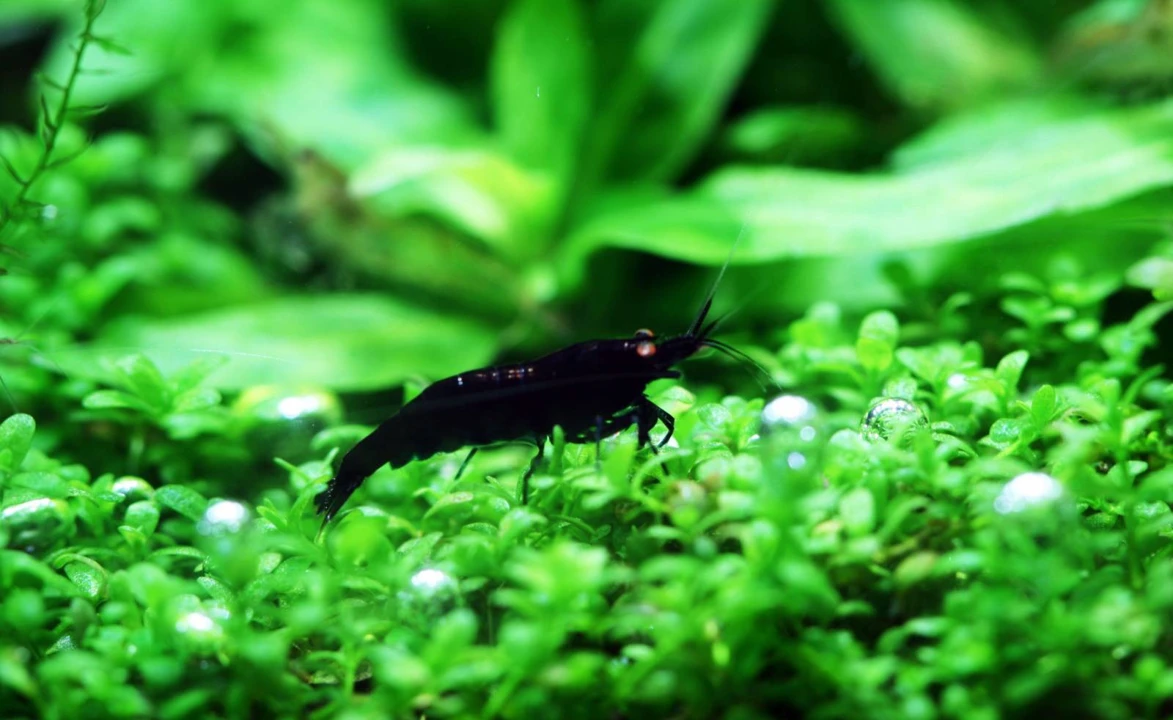
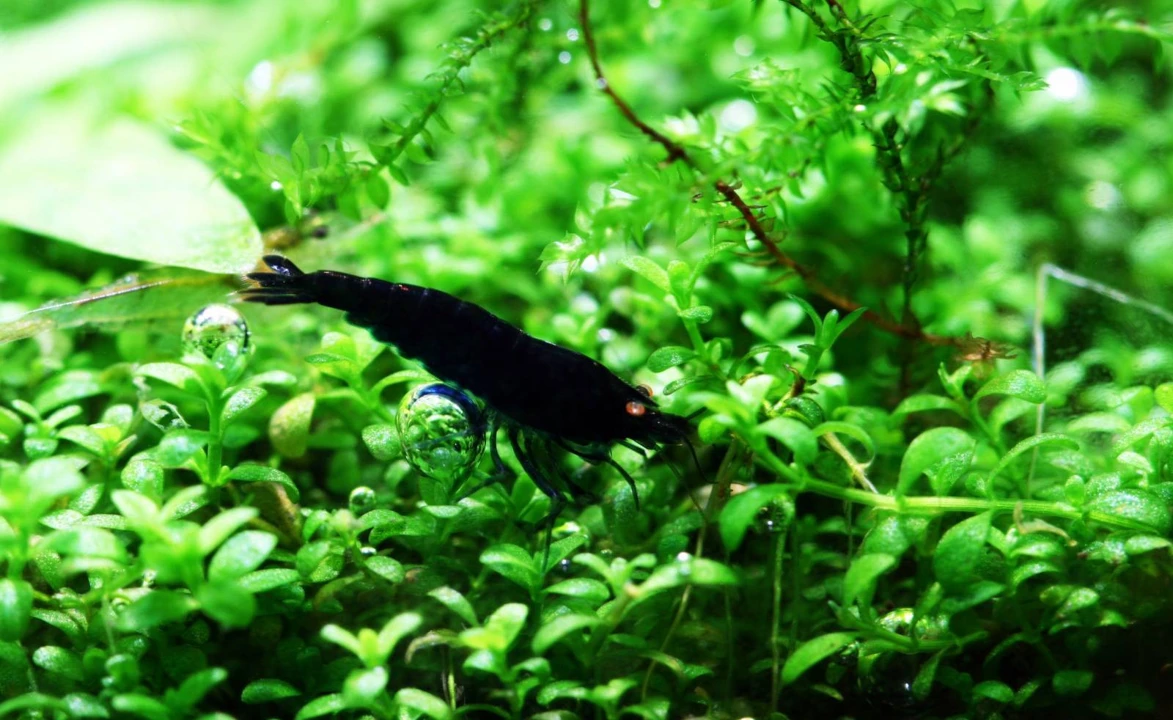
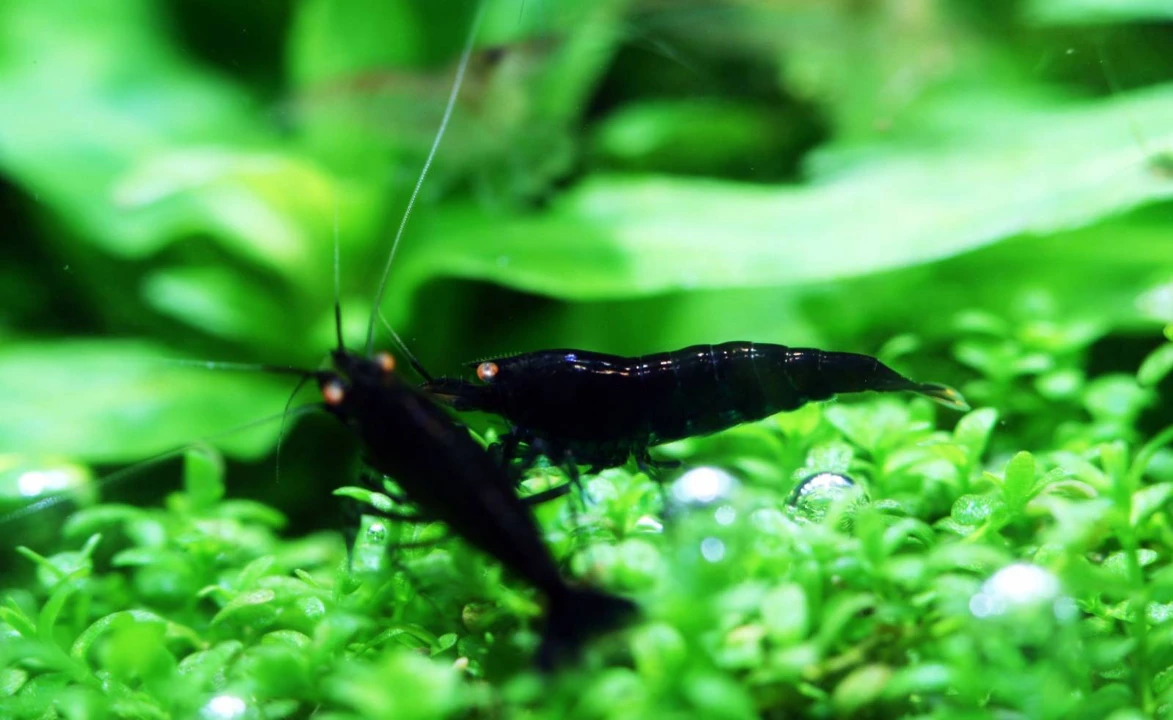
Black colouration on the surface of the body; the eye colour can vary between orange eyes and a dark colour
Origin:
Germany
Coloration:
Colorful

Tank

Nano tank:
Yes
Species tank:
No
Min. group:
10 pcs
Light:
Tolerates strong light
Special requirements:
Hiding places

Plants

Plants in the tank:
Yes
Behavior toward plants:
Nibbles when hungry

Food and tankmates

Food

Blanched lettuce
Nettle leaves
Beech leaves
Flake food
Frozen food
Cucumber
Carrots
Dandelion
Catfish tablets

Safe medications

Fenbendazole (Panacur)

Breeding

Development type:
Direct (young look like adults)
Number of young:
20–30 fully developed juveniles
Clutch size:
20–30 eggs
Frequency:
Every 4–6 weeks

Description

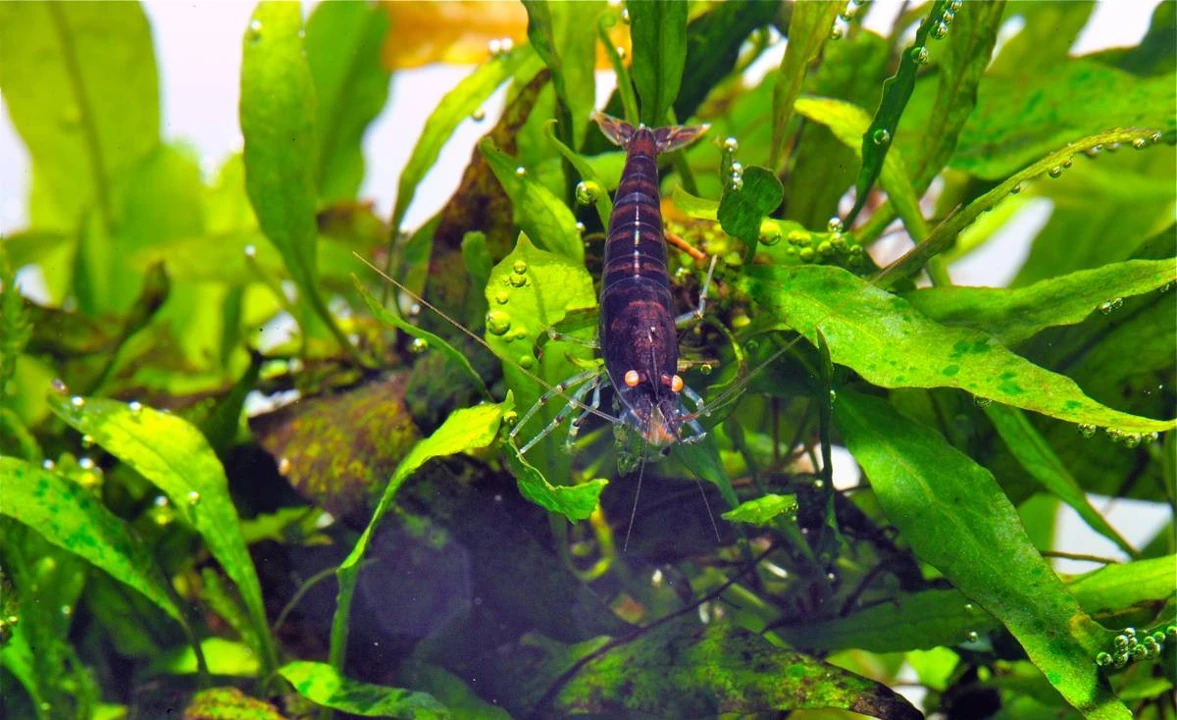
The Black Tiger shrimp is a very attractive tiger shrimp for shrimp enthusiasts. It grows to approximately 3 cm and lives for 2 years. Six different grades are distinguished (BT5, BT4, BT3, BT2, BT1 and BT0). The eye colour can vary between Orange Eye and a dark colour. What makes it special is that, unlike in the Blue Tiger shrimp, the colour pigments are not located beneath the carapace but on its surface. Sometimes, under certain lighting, a hint of the blue base colour can be seen.

How breeding happens

Breeding is quite easy. If the water parameters are set correctly and the animals feel comfortable—especially evident when the females develop a saddle at the back of the head—offspring can soon be expected. Females carry 20–30 eggs for approximately 4 weeks, from which fully developed shrimp hatch. At this point, the juvenile shrimp are approximately 1 mm long. During their first few days, they will moult frequently and initially spend their time in moss or dense vegetation, grazing on microorganisms. Beech or Indian almond leaves and alder cones are also suitable for this purpose. The colour of the baby shrimp intensifies with age.