background image
Aqua Diary
  • Community Aquariums
  • Articles
  • Install
  • Log In
Aqua DiaryAqua Diary
  • Terms of Service
  • Privacy Policy
  • Cookies
  • Data Deletion
  • Help & Support
  • Website Map
Aqua Diary © 2026 All rights reserved.
Blue Tiger shrimp
Blue Tiger shrimp
Blue Tiger shrimp
Blue Tiger shrimp
Blue Tiger shrimp
Shrimp

Blue Tiger shrimp

Caridina cf. cantonensis "Blue Tiger"

Taxonomy

Phylum:
Arthropoda
Subphylum:
Crustacea
Class:
Malacostraca
Order:
Decapoda
Suborder:
Pleocyemata
Family:
Atyidae
Genus:
Caridina

About the species

Key features:
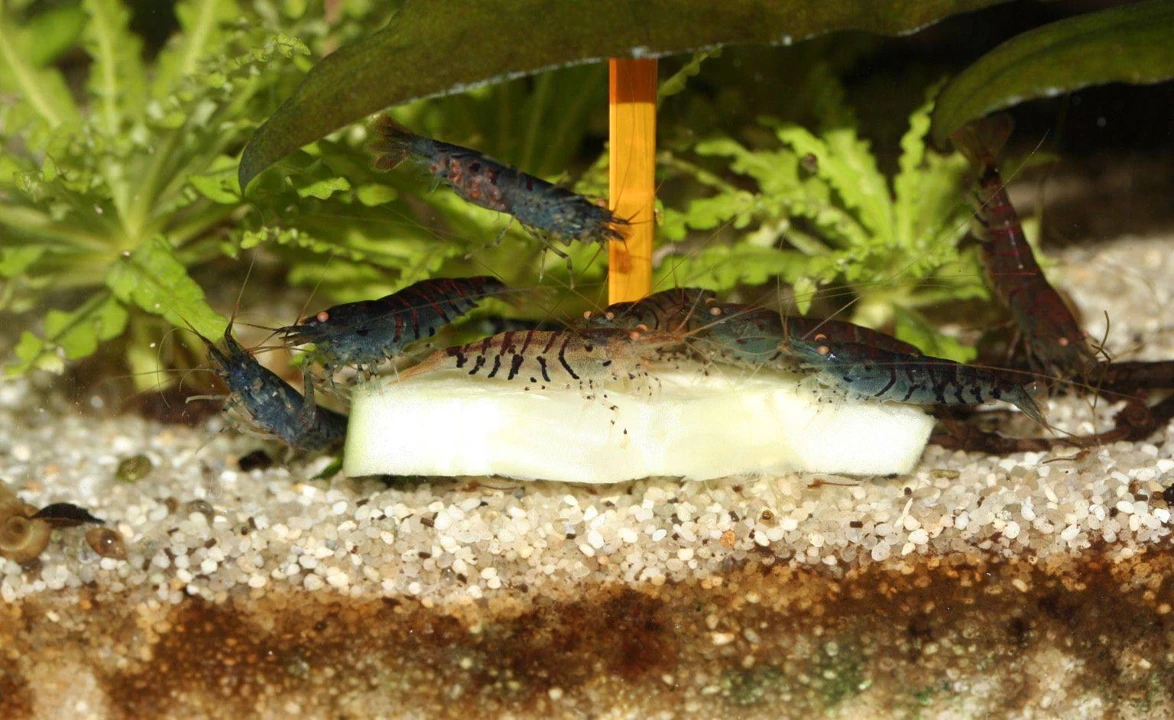
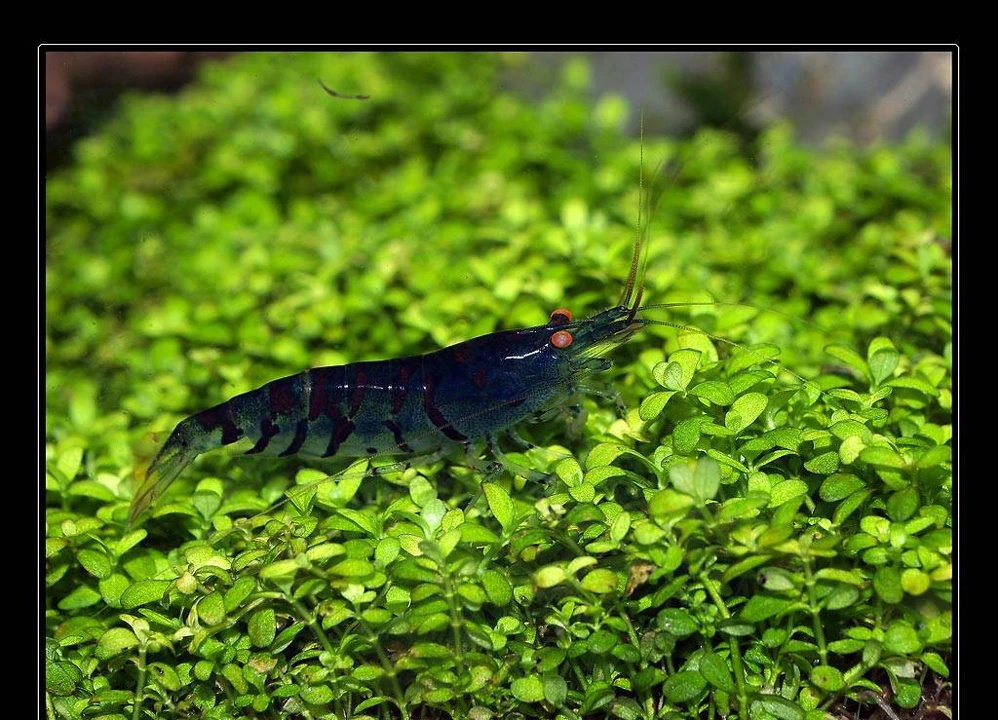
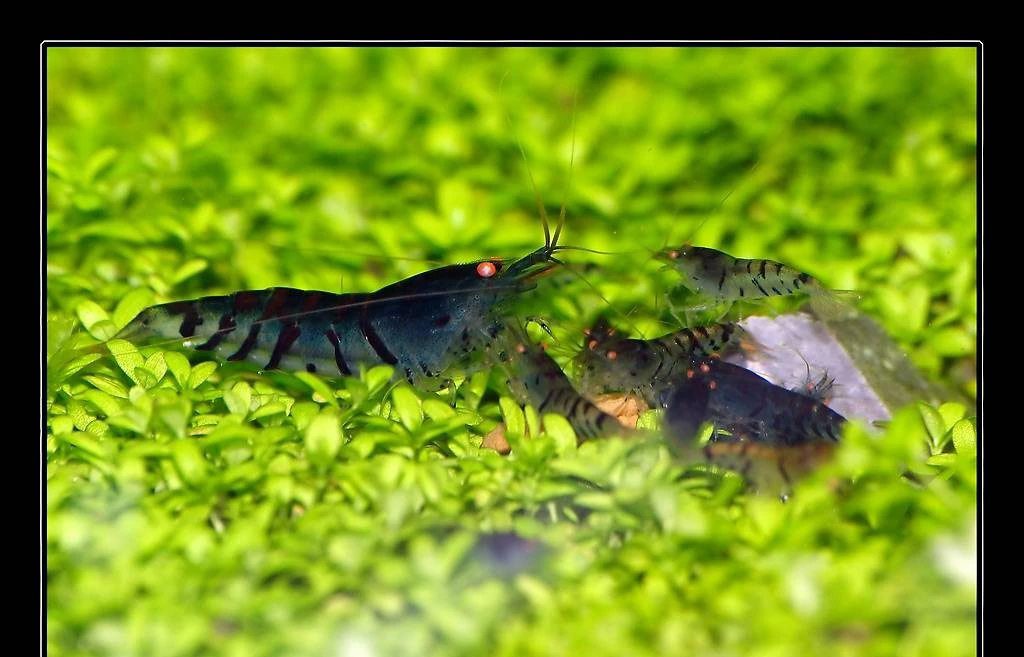
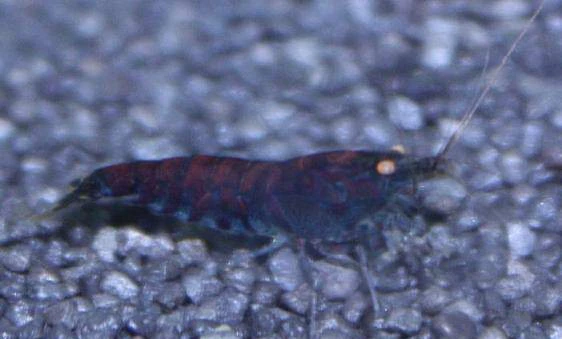
Blue Tiger shrimp have a blue base color, often with orange eyes. The 5 typical tiger stripes can normally be seen on every Tiger shrimp. There are light blue, blue and dark blue (Deep Blue) Tiger shrimp.
Origin:
Germany
Coloration:
Colorful

Tank

Nano tank:
Yes
Species tank:
No
Min. group:
10 pcs
Light:
Tolerates strong light
Special requirements:
Hiding places

Plants

Plants in the tank:
Yes
Behavior toward plants:
Nibbles when hungry

Food and tankmates

Food

Blanched lettuce
Nettle leaves
Beech leaves
Flake food
Frozen food
Cucumber
Carrots
Potatoes
Live food
Catfish tablets

Safe medications

Fenbendazole (Panacur)

Breeding

Development type:
Direct (young look like adults)
Number of young:
20–30 juveniles
Clutch size:
20–30 eggs
Frequency:
With good water quality, approximately every 4–6 weeks

Description

The Blue Tiger shrimp is one of the most beautiful Tiger shrimp varieties. Its blue coloration, pronounced black tiger stripes and Orange Eyes make it appealing to almost every aquarist. Females of this variety grow to approximately 3–3.5 cm, whereas males only reach approximately 3 cm. The Blue Tiger shrimp has a lifespan of approximately 2 years. For species-appropriate care, the pH should be between 6.5 and 7.8, carbonate hardness between 0 and 12°, and total hardness between 1 and 15°. Conductivity should be between 100 and 500 µS.

A distinction is made between light blue Tiger shrimp, blue Tiger shrimp and dark blue (Deep Blue) Tiger shrimp. Rust coloration on the animals' backs is completely normal and causes no further harm.

The origin of the Blue Tiger shrimp has not yet been fully established.

Every line also produces less colorful animals that resemble ordinary Tiger shrimp. These animals are also referred to as "Orange Eye". Through selective breeding, the proportion of such animals can be reduced to as little as 10% per brood.

How breeding happens

Breeding Blue Tiger shrimp is the same as breeding other Tiger shrimp. If the water quality and parameters are suitable, sexually mature females develop an egg saddle behind the head. During the next molt, the male attaches a spermatophore to the female, which then attempts to press the eggs previously developed in the saddle into her abdominal pouch. Under normal circumstances, there should be approximately 20–30 eggs. Inexperienced females often lose some of the eggs, and sometimes all of them. After approximately 4 weeks, the female releases the juveniles, which immediately hide in the moss. There they graze all surfaces for microorganisms and constantly search for food. At this young age they still molt relatively frequently, but the frequency steadily decreases as they grow older. The animals reach sexual maturity at approximately 3–3½ months. To achieve better survival rates when rearing the juveniles, the use of juvenile food is recommended.