background image
Aqua Diary
  • Community Aquariums
  • Articles
  • Install
  • Log In
Aqua DiaryAqua Diary
  • Terms of Service
  • Privacy Policy
  • Cookies
  • Data Deletion
  • Help & Support
  • Website Map
Aqua Diary © 2026 All rights reserved.
Tiger Orange Eye
Tiger Orange Eye
Tiger Orange Eye
Shrimp

Tiger Orange Eye

Caridina cf. cantonensis "Tiger Orange Eye"

Taxonomy

Phylum:
Arthropoda
Subphylum:
Crustacea
Class:
Malacostraca
Order:
Decapoda
Suborder:
Pleocyemata
Family:
Atyidae
Genus:
Caridina

About the species

Key features:
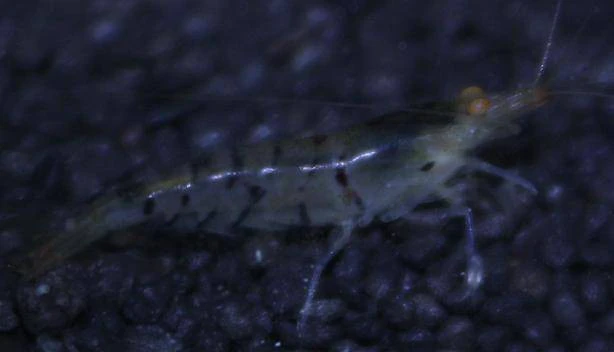
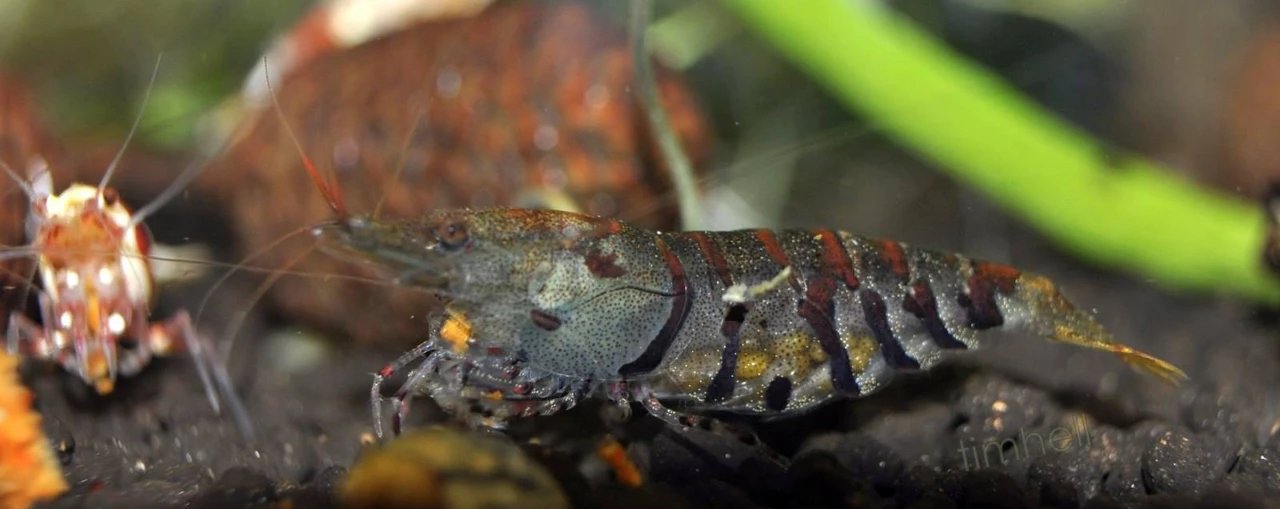
As its name suggests, the Tiger OE has orange eyes and the coloration of a normal Tiger Shrimp. The typical tiger stripes are present.
Coloration:
Colorful

Tank

Nano tank:
Yes
Species tank:
Recommended
Min. group:
10 pcs
Light:
Tolerates strong light
Special requirements:
Hiding places

Plants

Plants in the tank:
Yes
Behavior toward plants:
Nibbles when hungry

Food and tankmates

Food

Blanched lettuce
Nettle leaves
Beech leaves
Flake food
Frozen food
Cucumber
Carrots
Live food
Catfish tablets

Breeding

Development type:
Direct (young look like adults)
Number of young:
20–30 young shrimp
Clutch size:
20–30 eggs
Frequency:
With good water quality and the correct water parameters, approx. every 4–6 weeks

Description

The Tiger OE occurs in the Blue Tiger Shrimp line (approx. 30%). When these animals are bred with one another, Blue Tigers may again appear among the offspring.
How breeding happens

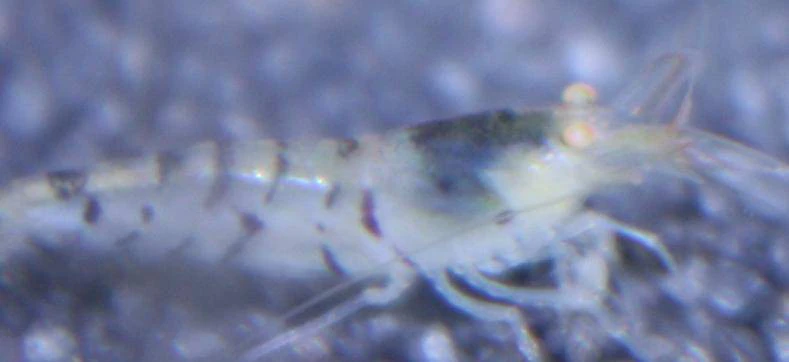
Breeding is quite easy. If the water parameters are set correctly and the animals feel comfortable, offspring can soon be expected. (This can be recognized by the females, which develop a saddle behind the head.) Females carry 20–30 eggs for approx. 4 weeks, from which fully developed shrimp hatch. At this point, the young shrimp are approx. 1 mm long. During the first few days, they will molt frequently and spend their initial period in moss or dense vegetation grazing on microorganisms. Beech or Indian almond leaves and alder cones are also suitable for this purpose. The coloration of the baby shrimp becomes more intense with age.