background image
Aqua Diary
  • Community Aquariums
  • Articles
  • Install
  • Log In
Aqua DiaryAqua Diary
  • Terms of Service
  • Privacy Policy
  • Cookies
  • Data Deletion
  • Help & Support
  • Website Map
Aqua Diary © 2026 All rights reserved.
Amano shrimp
Amano shrimp
Amano shrimp
Amano shrimp
Amano shrimp
Amano shrimp
Amano shrimp
Amano shrimp
Amano shrimp
Amano shrimp
Amano shrimp
Amano shrimp
Amano shrimp
Amano shrimp
Amano shrimp
Shrimp

Amano shrimp

Caridina multidentata

Taxonomy

Phylum:
Arthropoda
Subphylum:
Crustacea
Class:
Malacostraca
Order:
Decapoda
Suborder:
Pleocyemata
Family:
Atyidae
Genus:
Caridina

About the species

Origin:
Madagascar, Japan, Indonesia, Taiwan
Coloration:
Inconspicuous

Tank

Nano tank:
Yes
Species tank:
No
Min. group:
10 pcs
Light:
Tolerates strong light
Special requirements:
Hiding places

Plants

Plants in the tank:
Yes
Behavior toward plants:
Nibbles when hungry, Uproots ground cover

Food and tankmates

Food

Blanched lettuce
Nettle leaves
Beech leaves
Flake food
Catfish tablets

Shrimp compatibility

Shrimp offspring
Dwarf shrimp
Amano shrimp

Breeding

Development type:
With larvae
Number of young:
approximately 2,000 eggs
Frequency:
every 4–6 weeks, in some cases with a spawning pause in January/February

Description

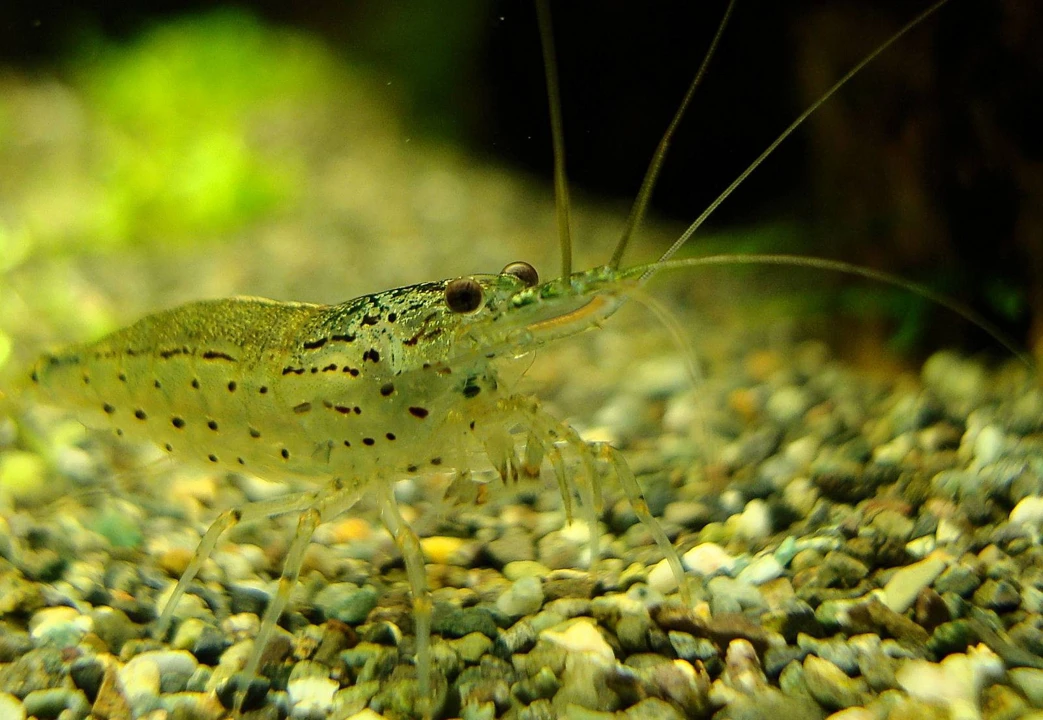
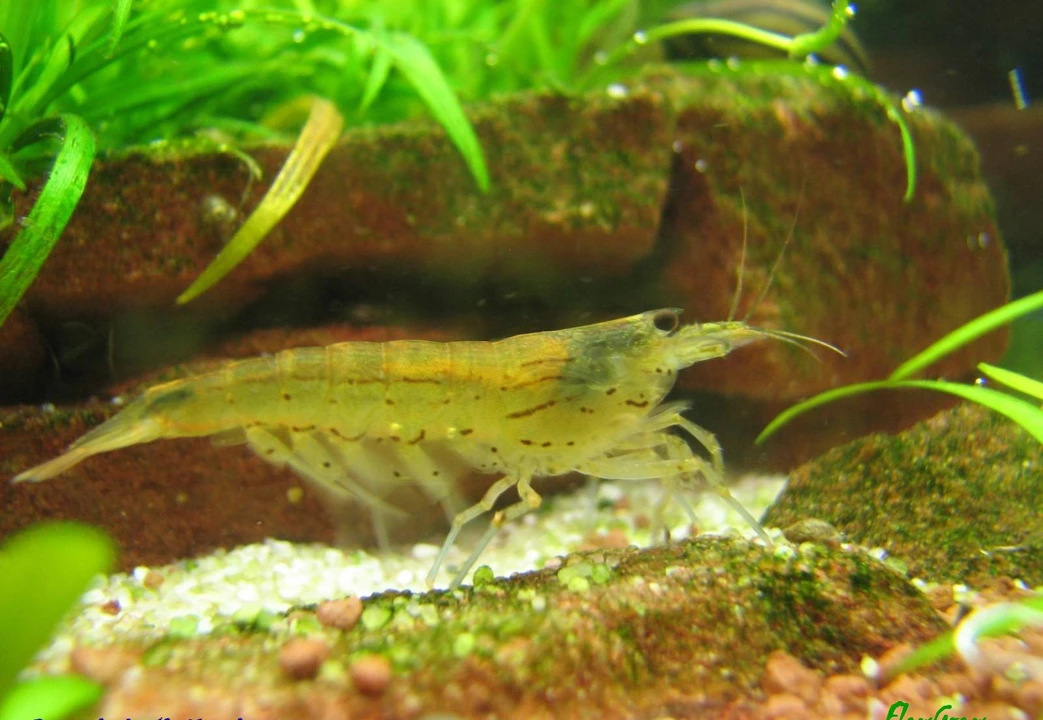
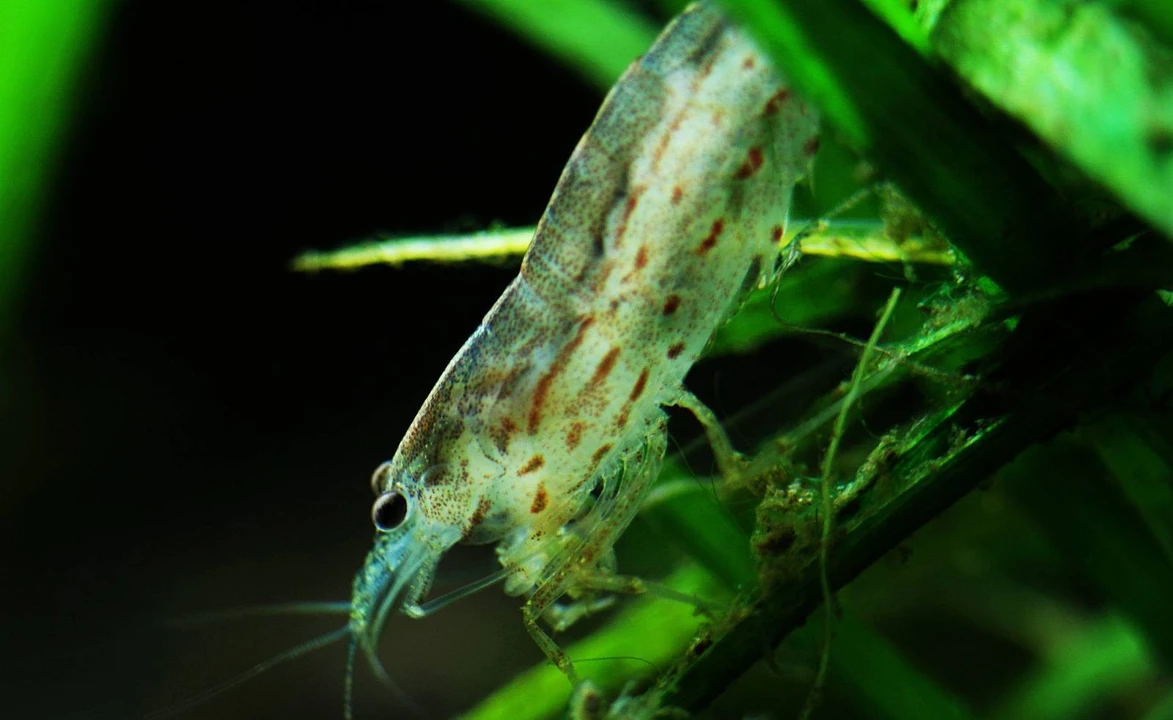
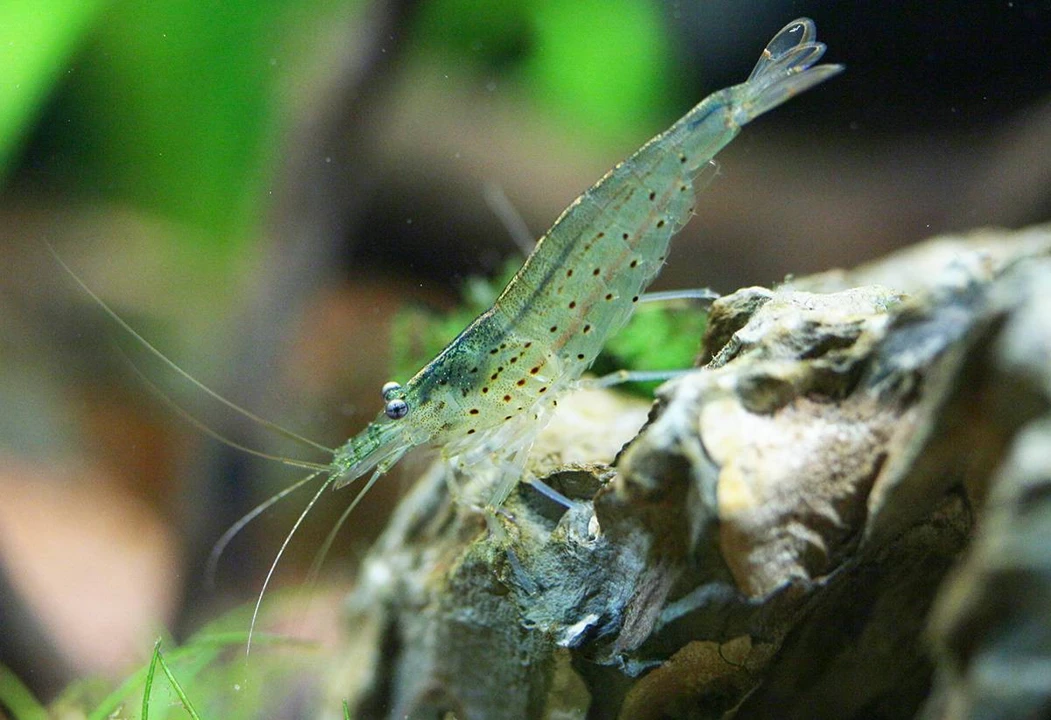
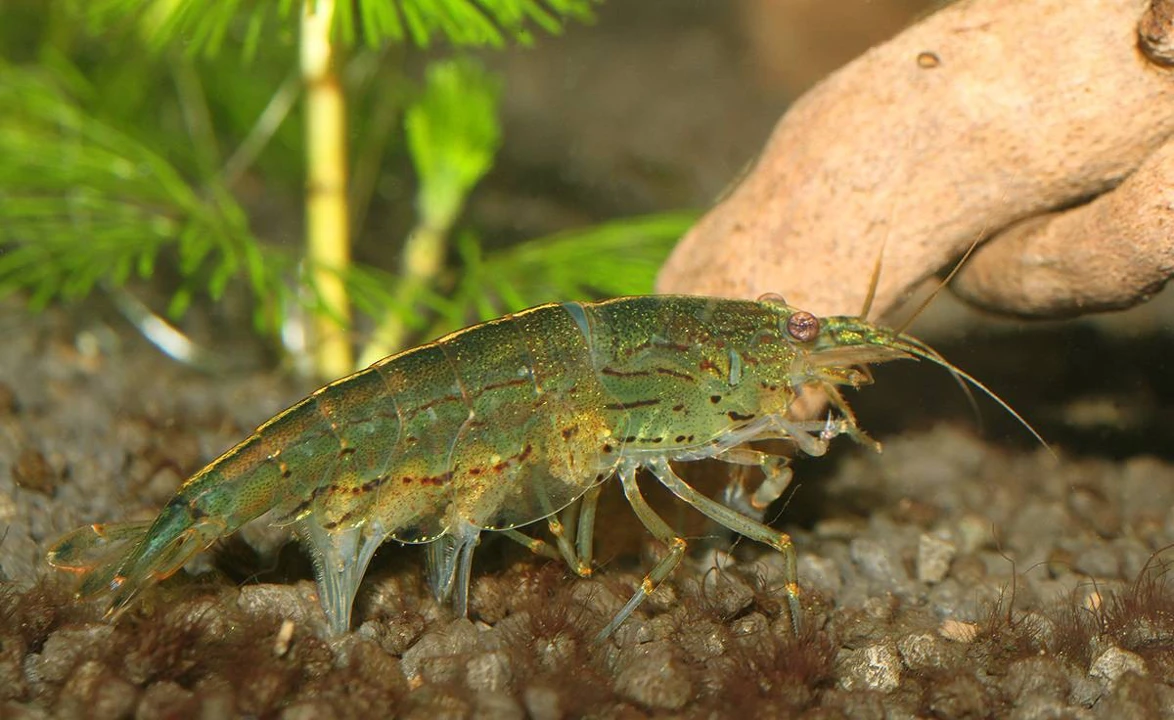
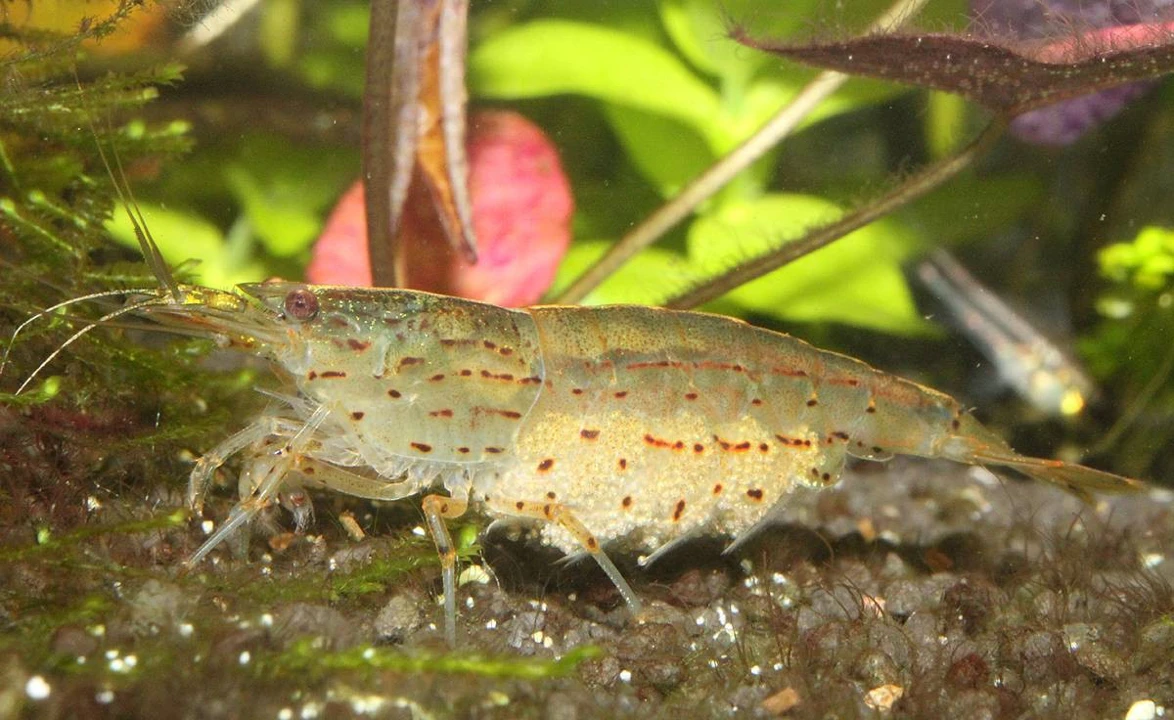
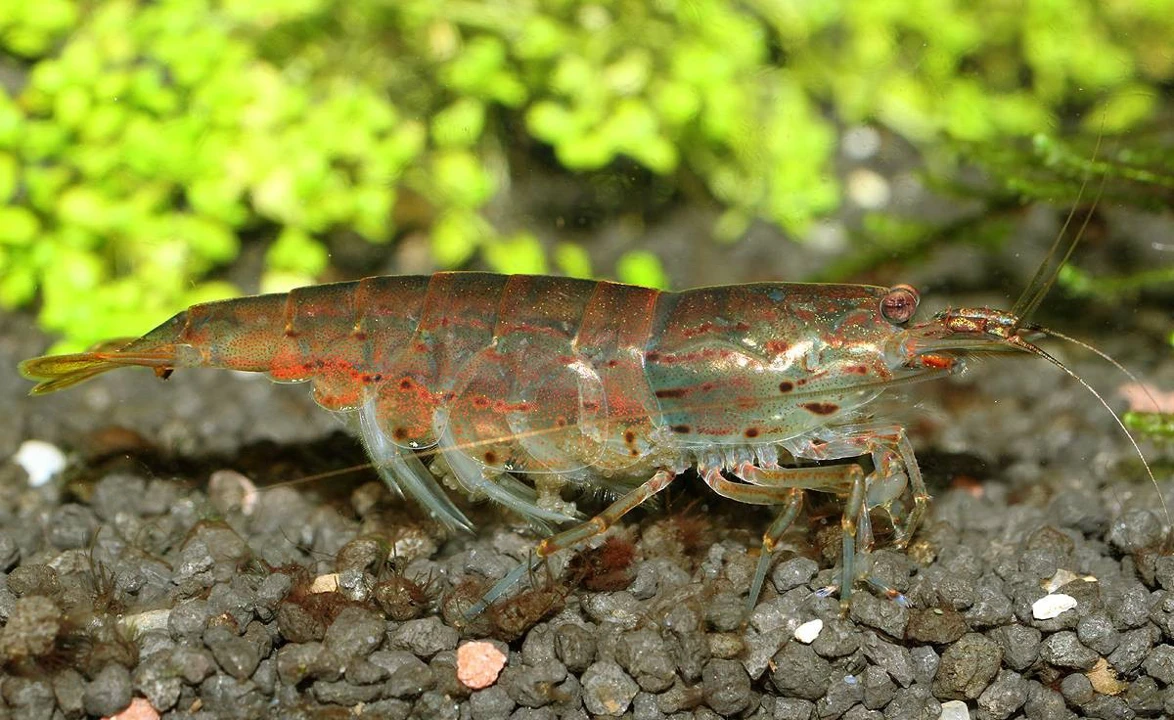
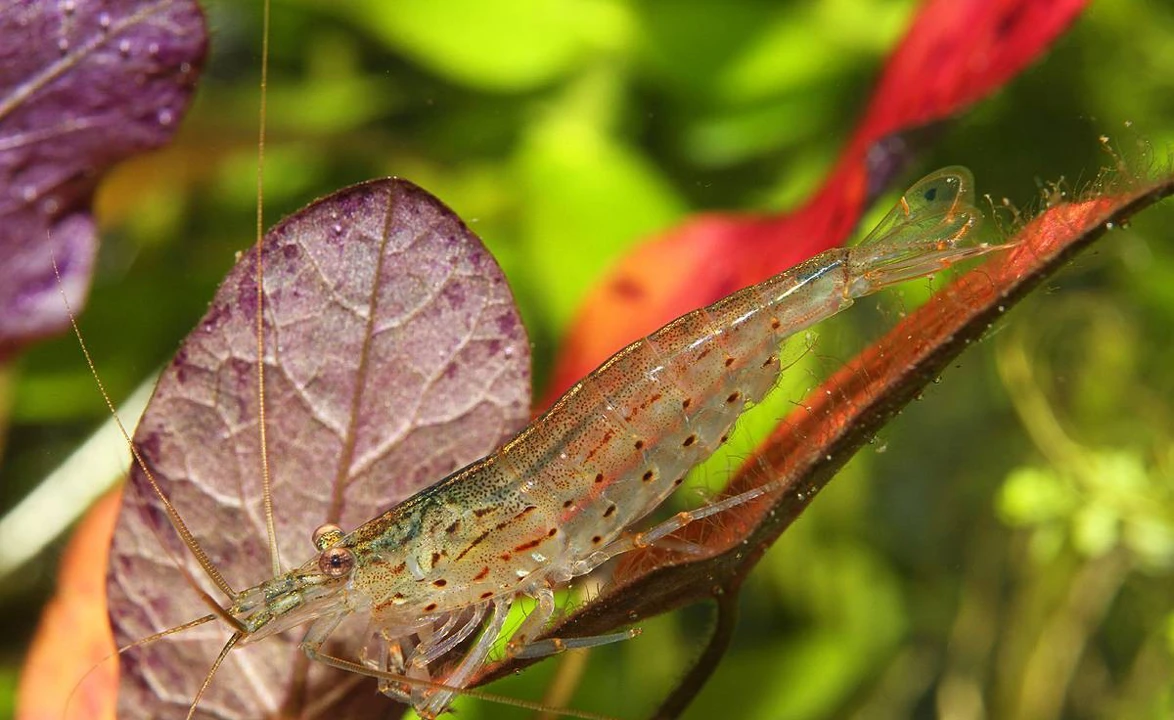
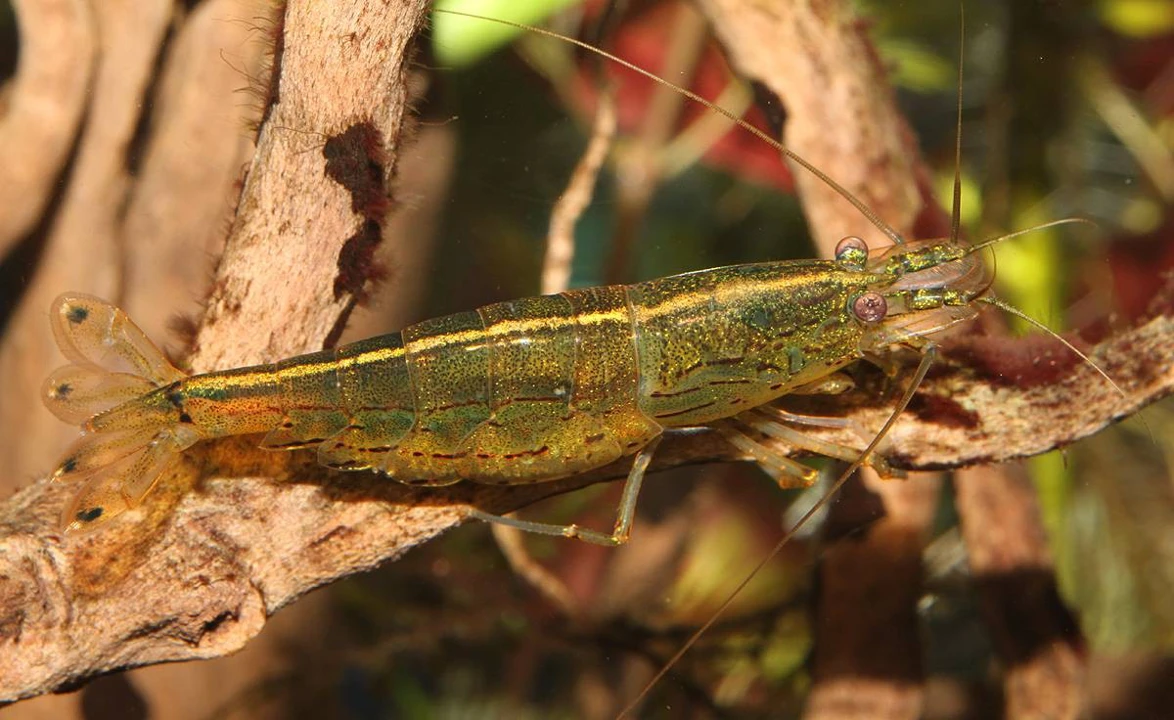
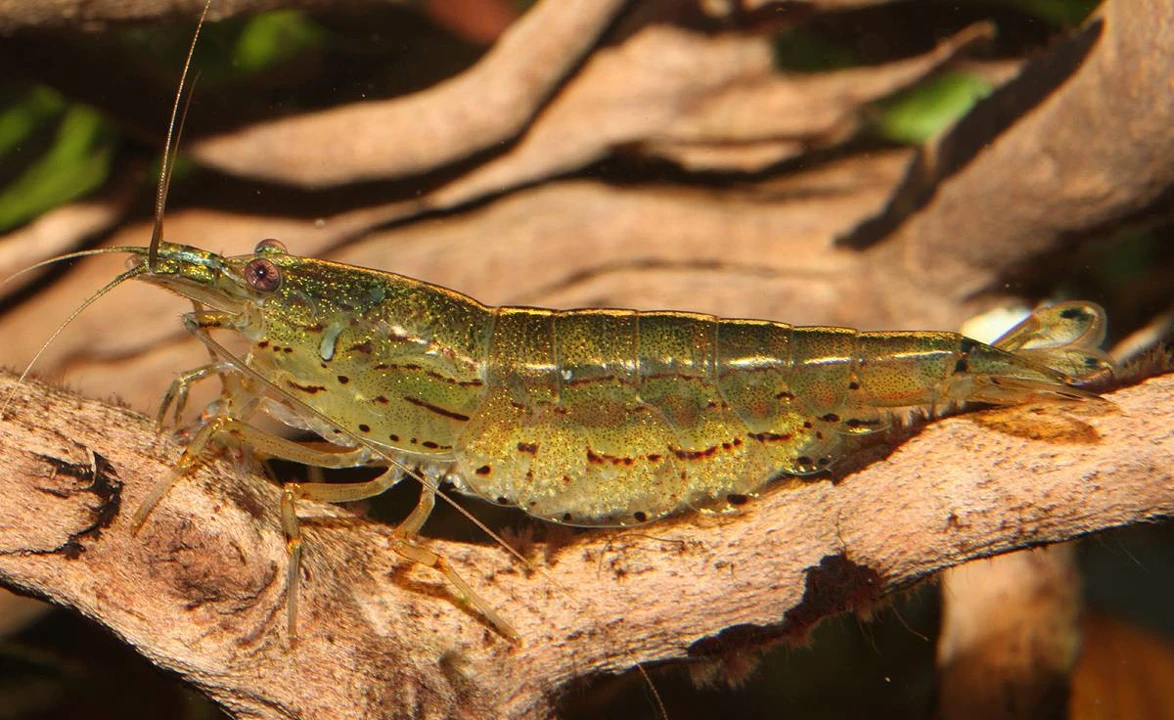
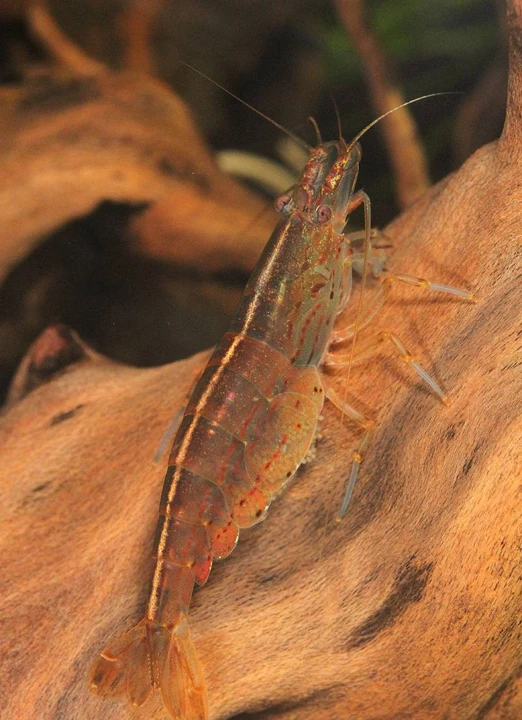
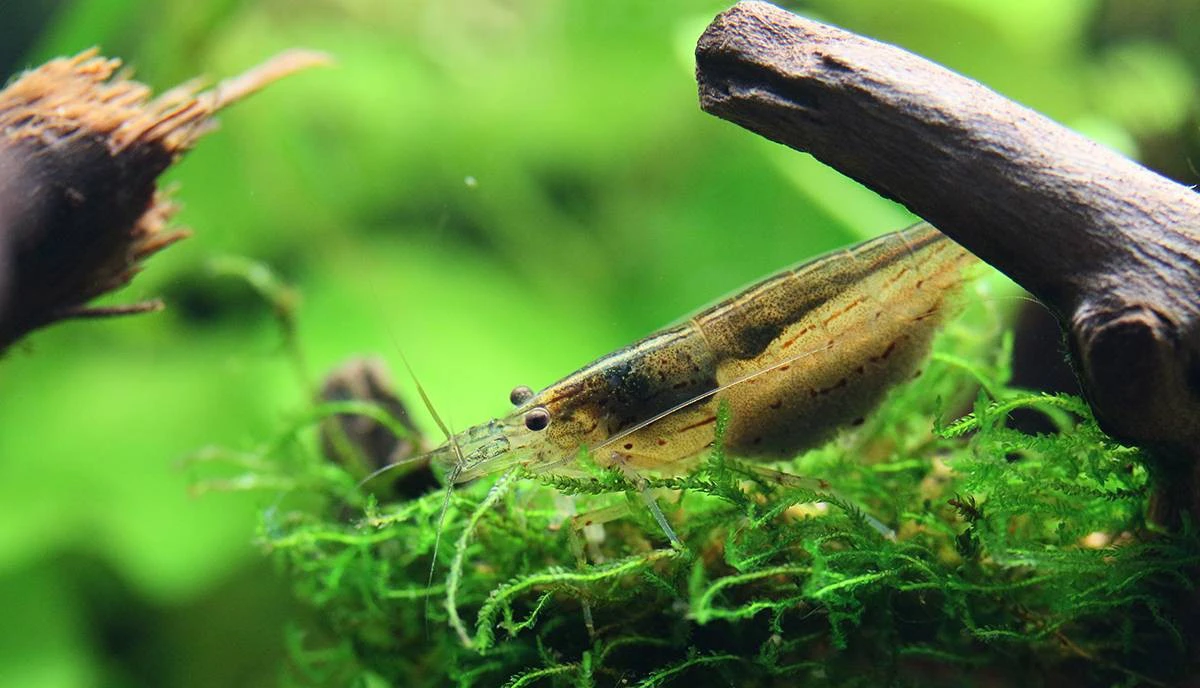
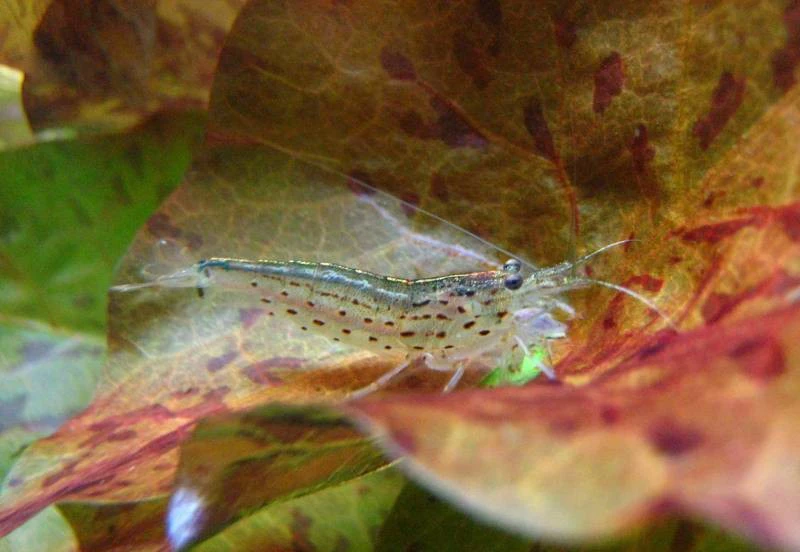
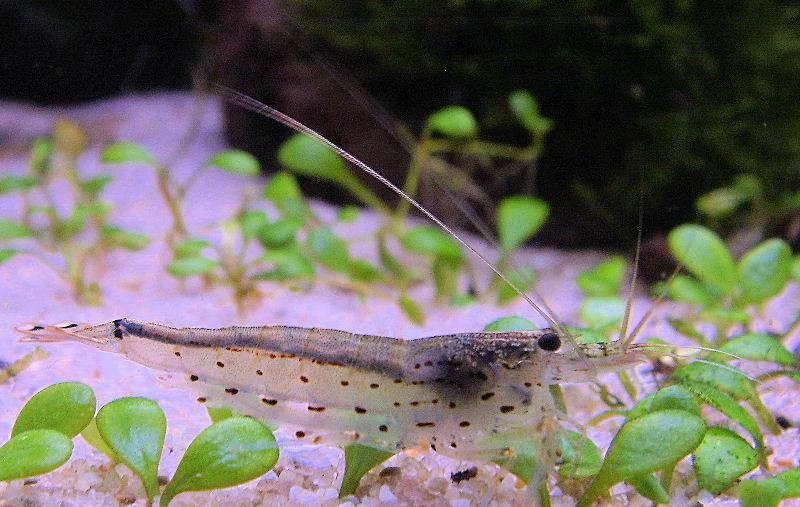
The Yamato or Amano shrimp was made known in the aquarium hobby as an efficient algae eater by Takashi Amano, initially under its synonym Caridina japonica. This species marked the beginning of the worldwide aquarium-keeping success of freshwater shrimp.

Compared with other species, it requires a relatively protein-rich diet, as otherwise it may attack snails, fish and other shrimp.

Some aquarists report that Amano shrimp cause feeding damage to plants when food is scarce. However, this can also occur when sufficient food is available. It apparently depends on the shrimp's "behavioural type". Some of them are plant lovers, while others never touch plants.

How breeding happens

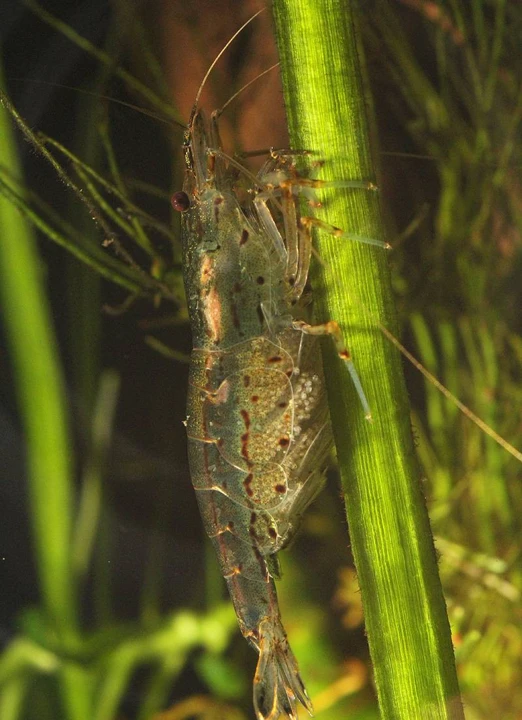
After successful fertilisation, the eggs move into the females' abdominal pouches. After approximately 6 weeks, the female releases the eggs, and milky-transparent larvae measuring approximately 1 mm hatch. These must be transferred to brackish water (1.6% salinity). After 4 weeks and numerous moults, the larvae have developed into juvenile shrimp and can be transferred to freshwater.

Rearing them in pure seawater has proved more productive. Transfer back to freshwater should depend not on age but on size. At a size of approximately 5–6 mm, the juvenile shrimp have completed the phase during which they require saltwater and should be transferred back to freshwater.