
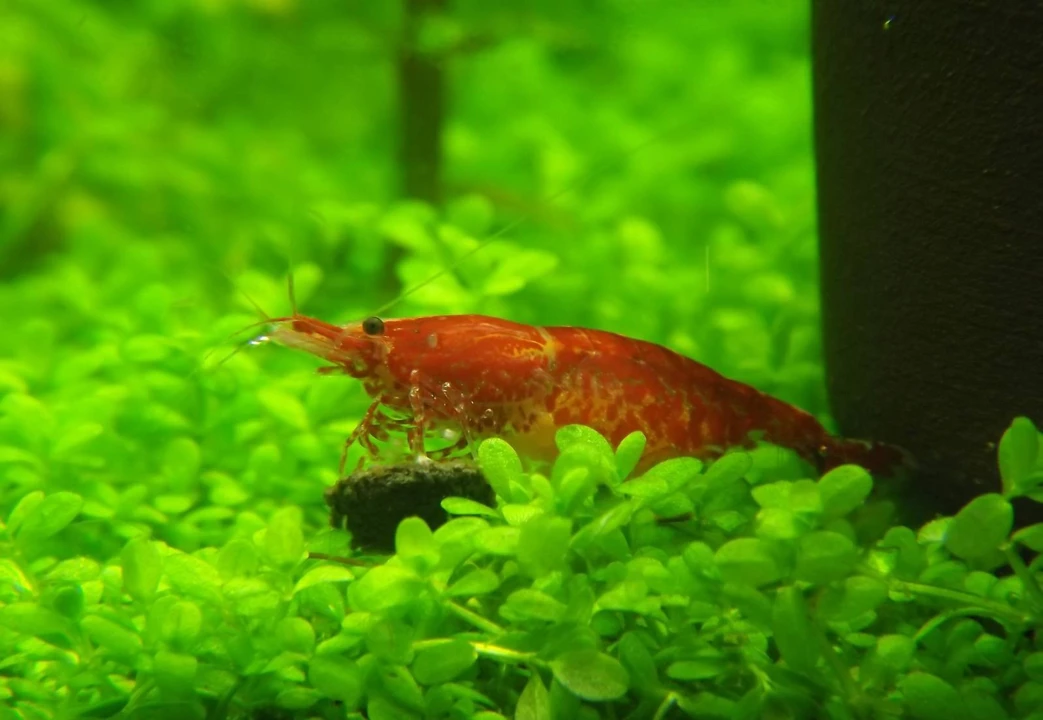
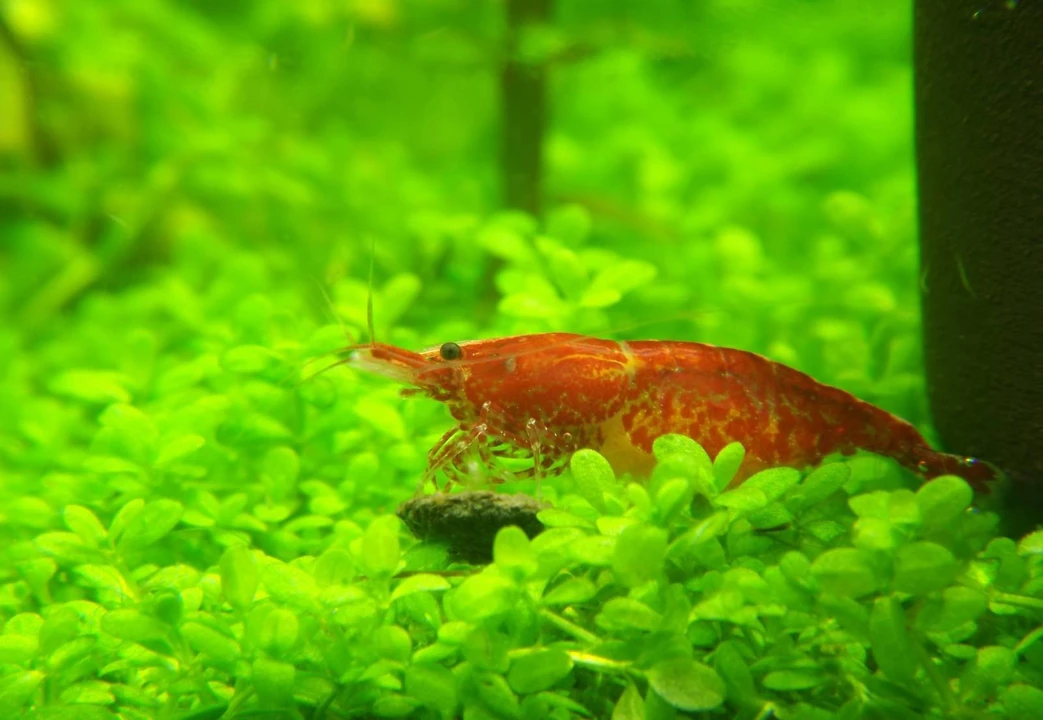
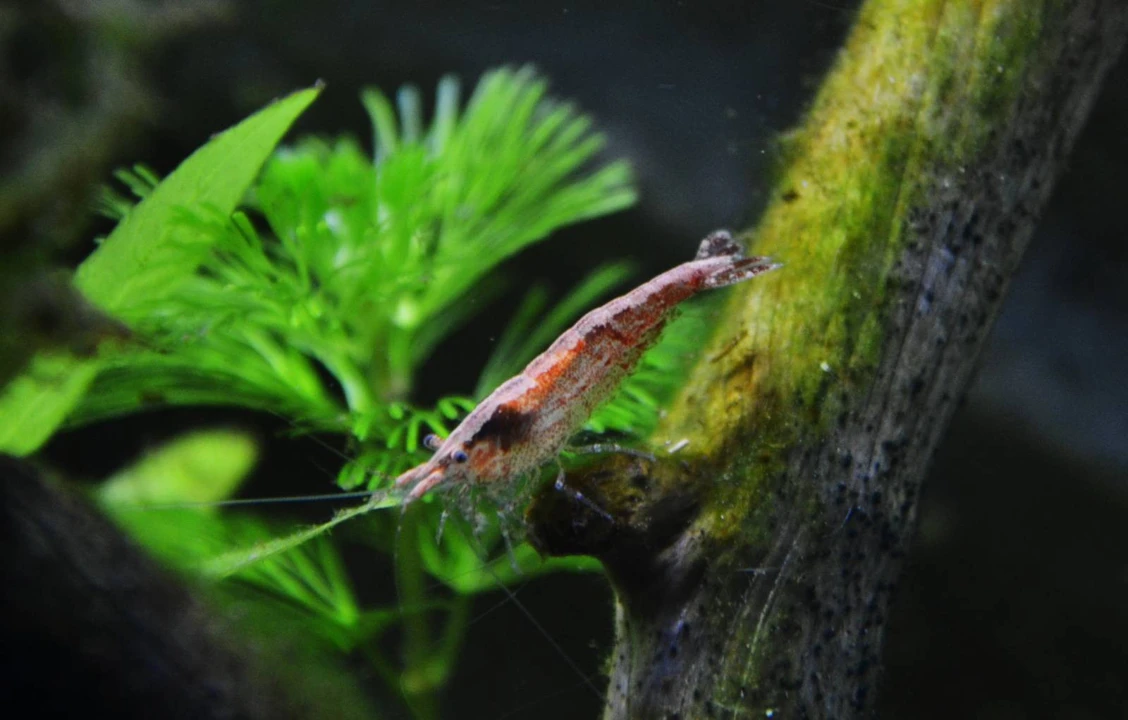
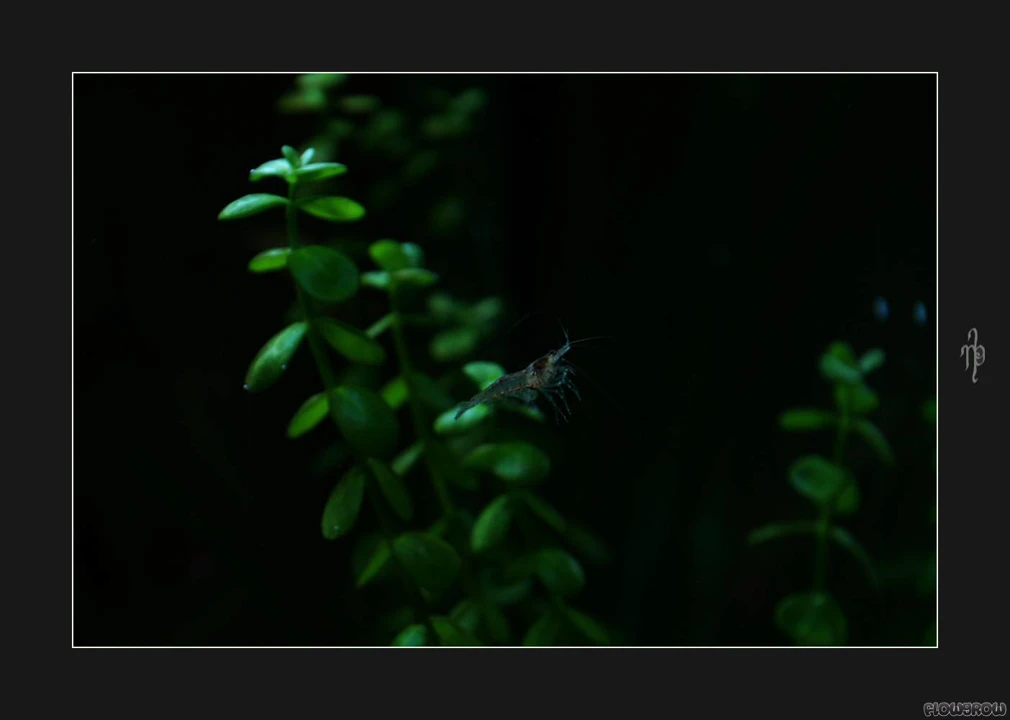
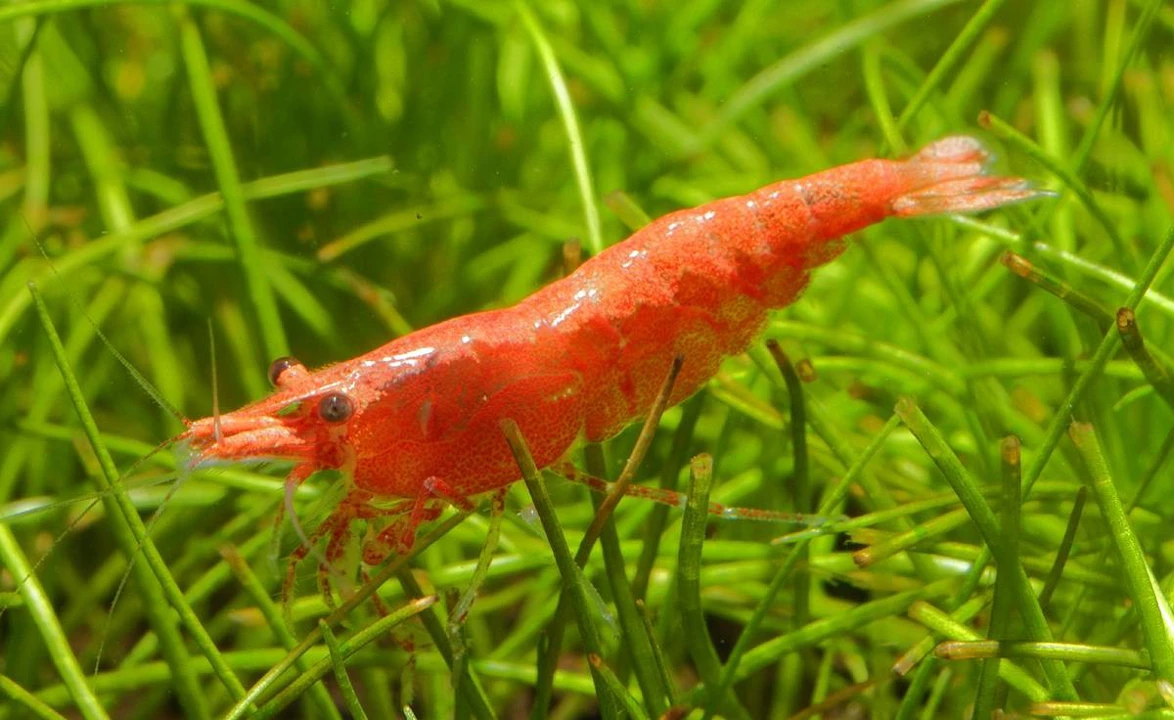
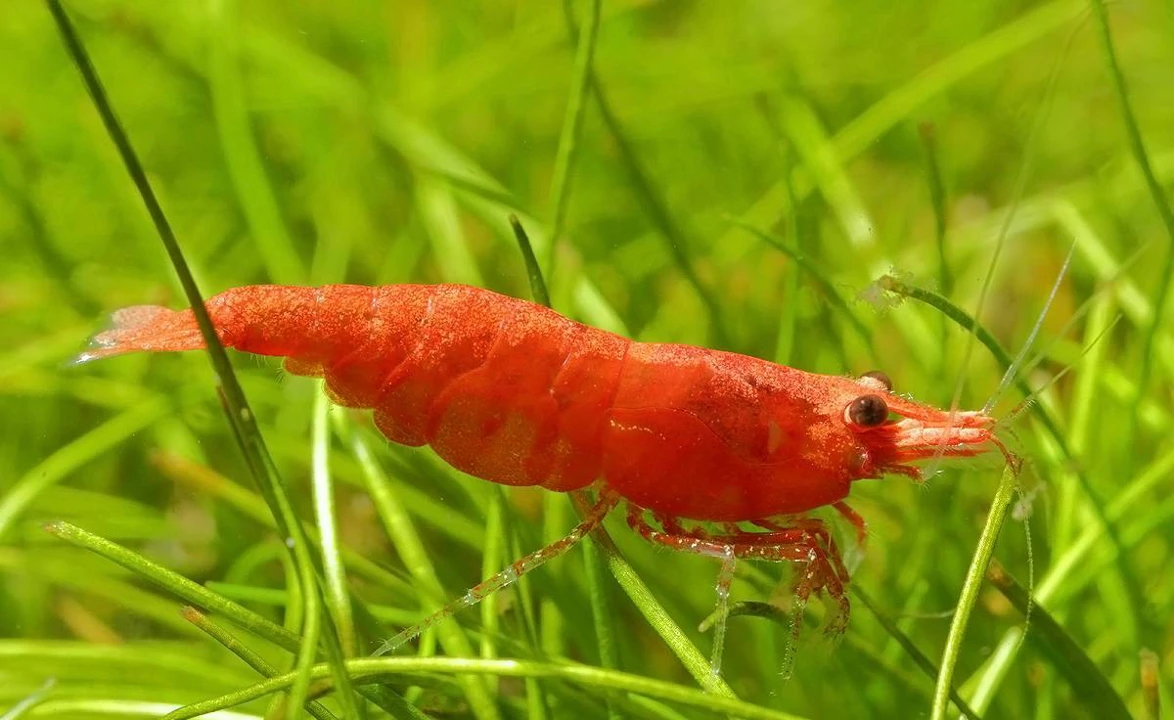
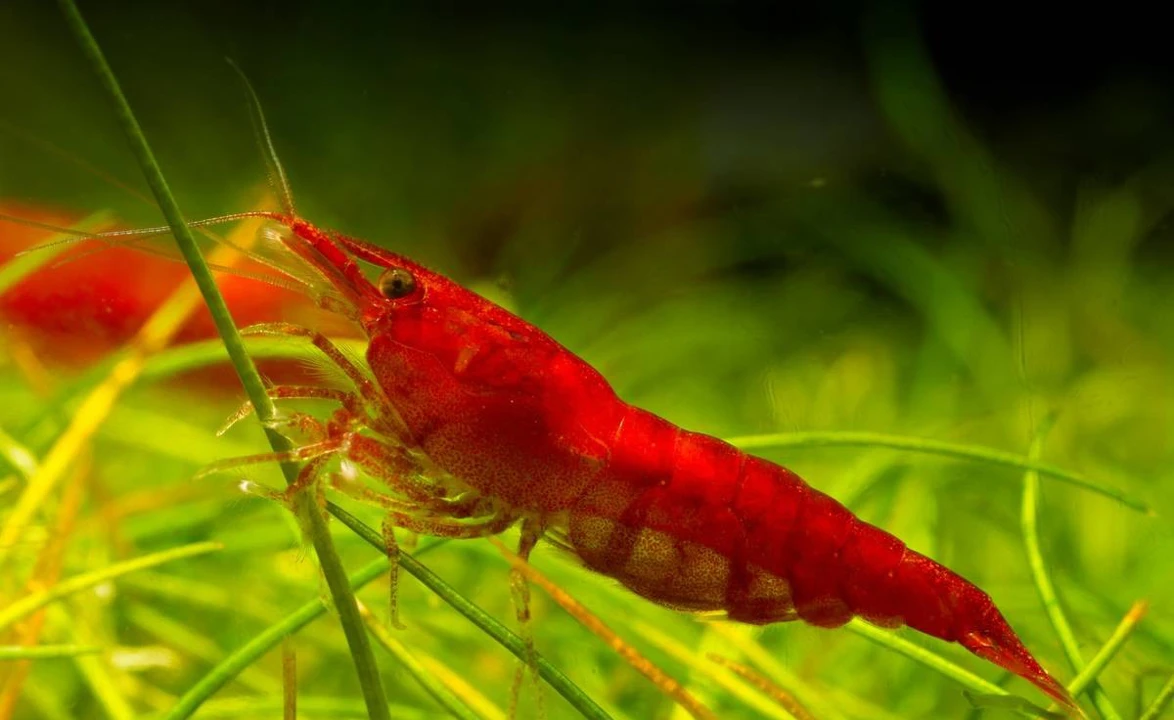
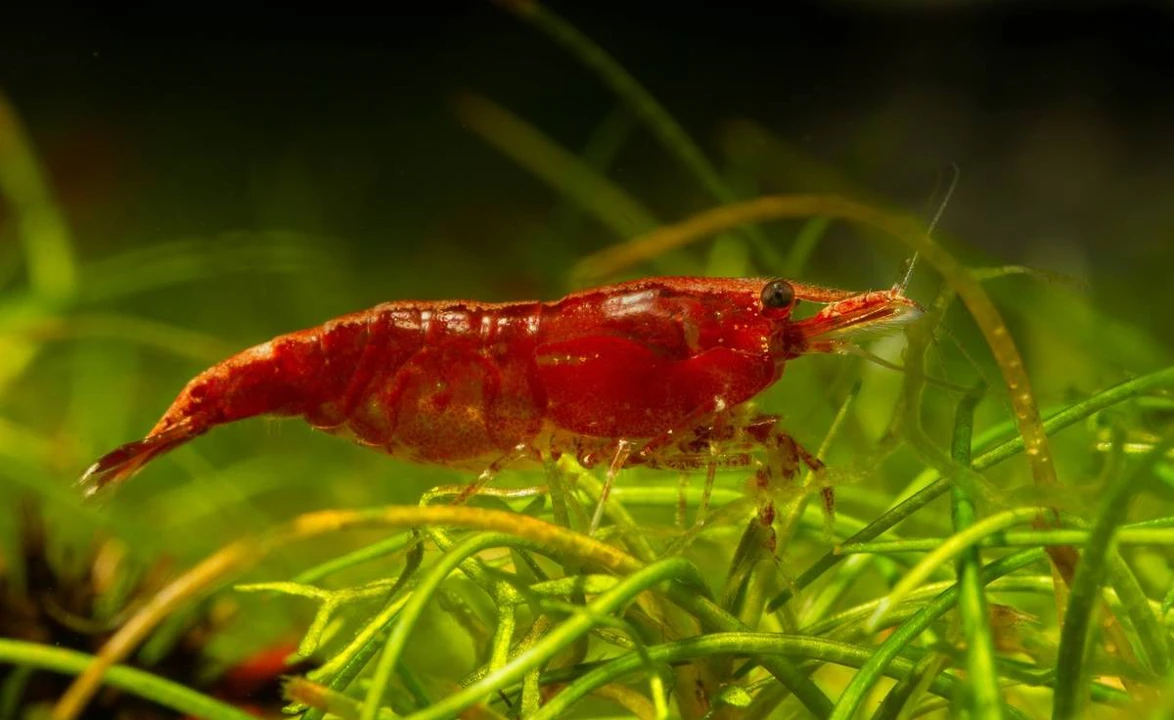
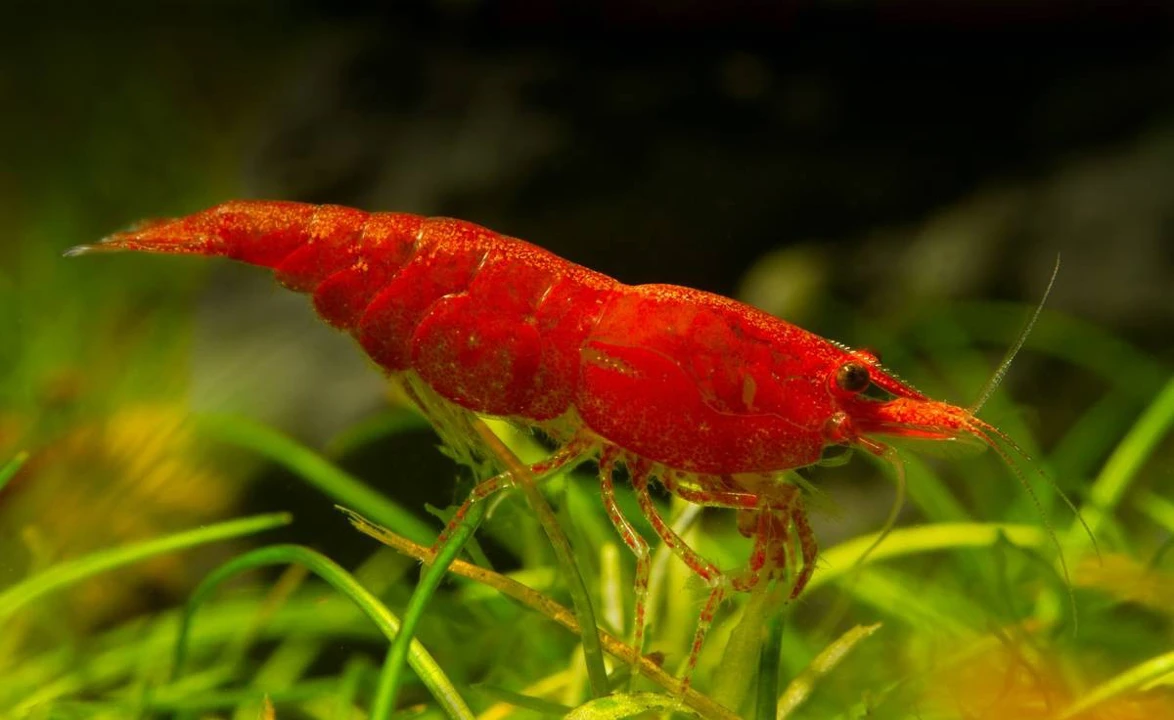
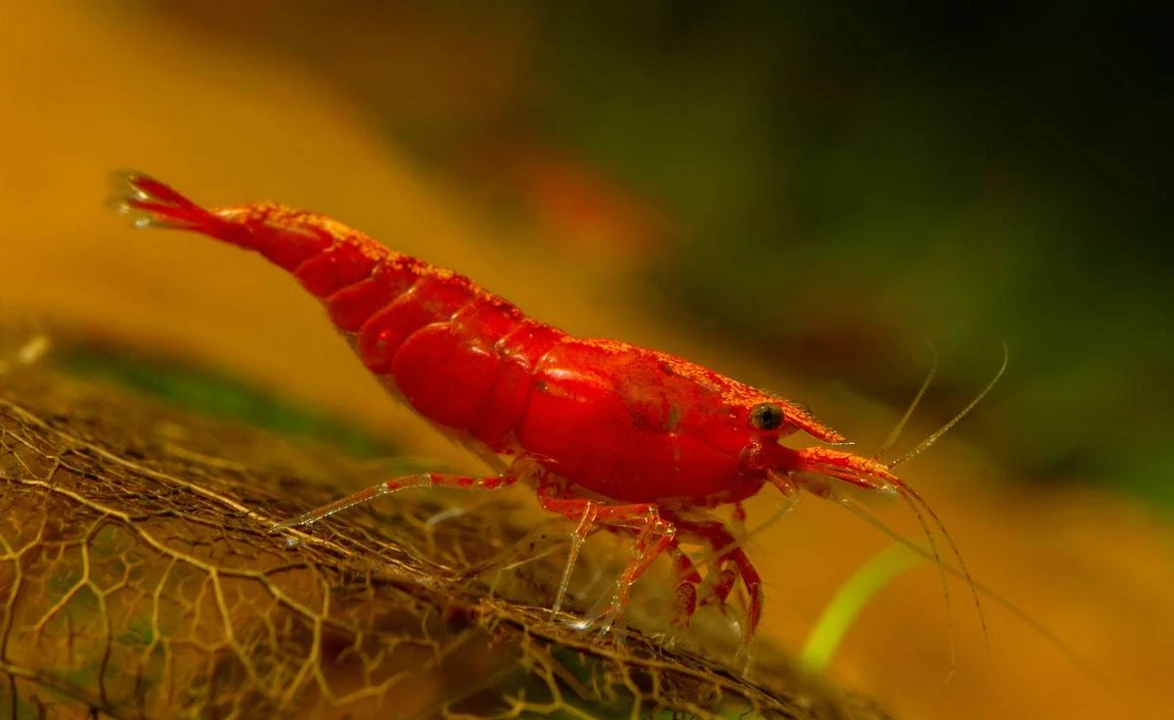
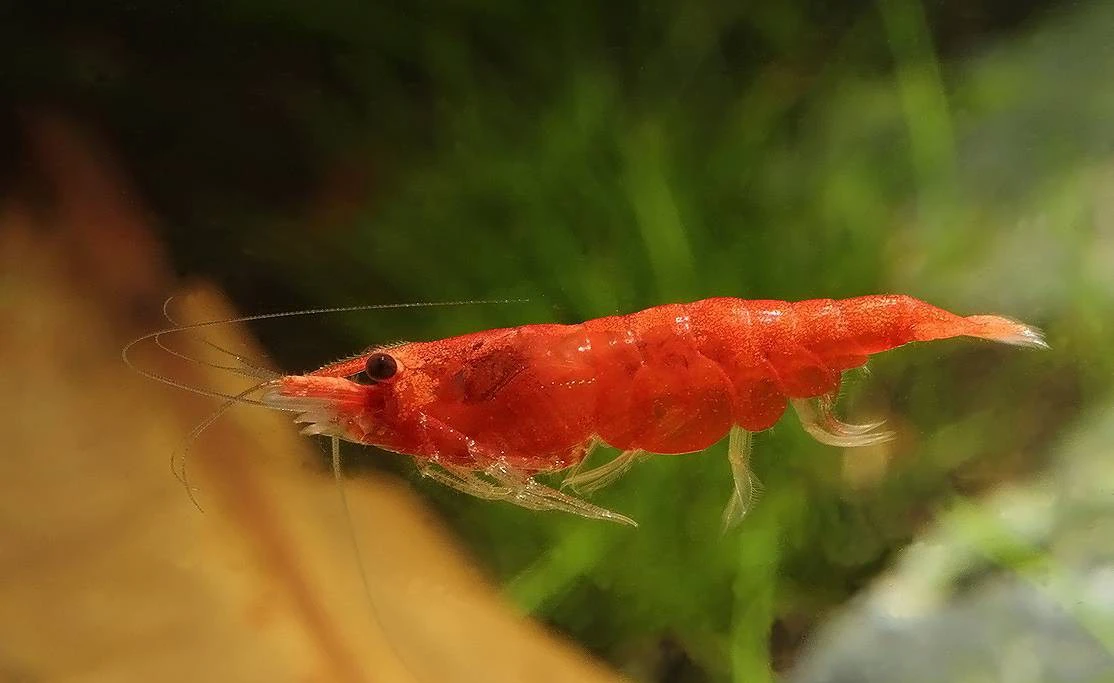
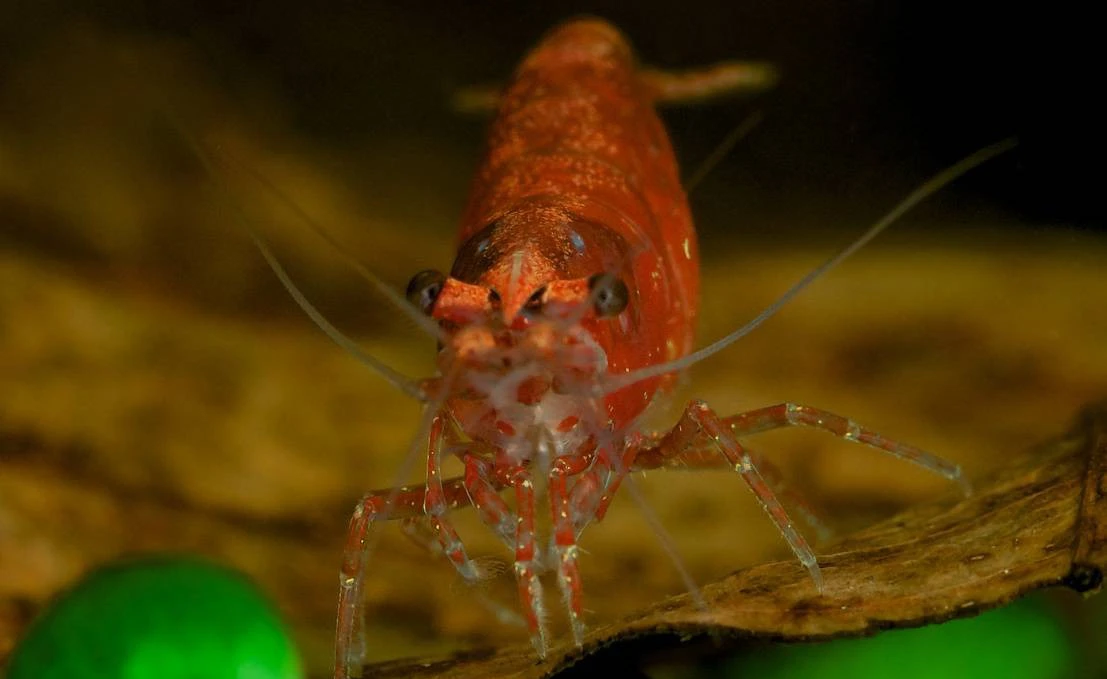
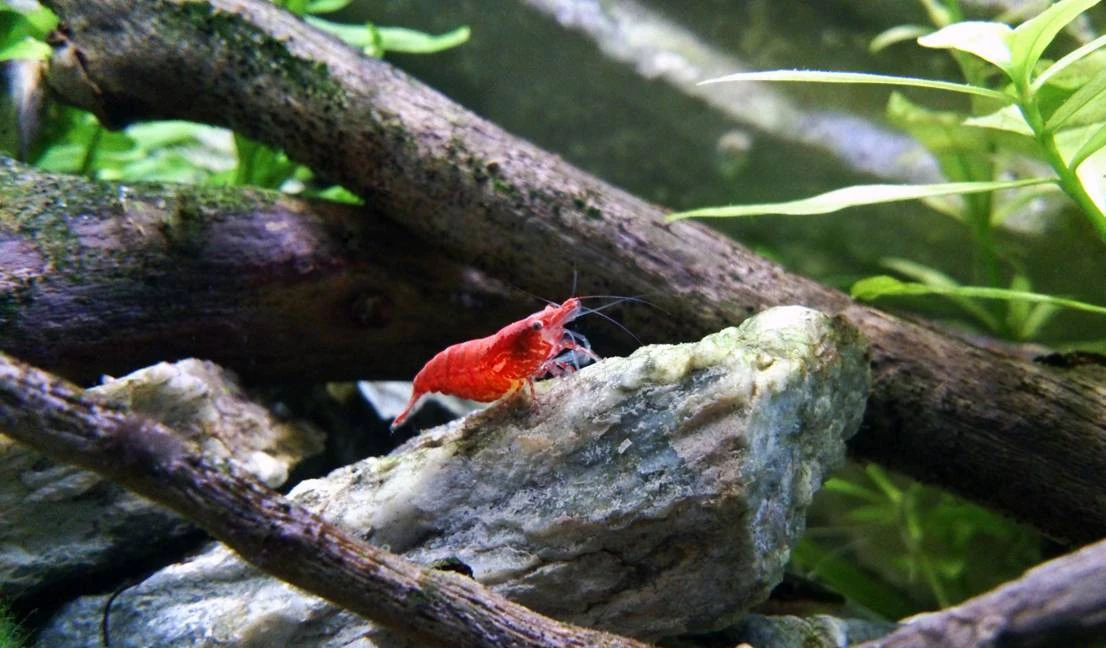
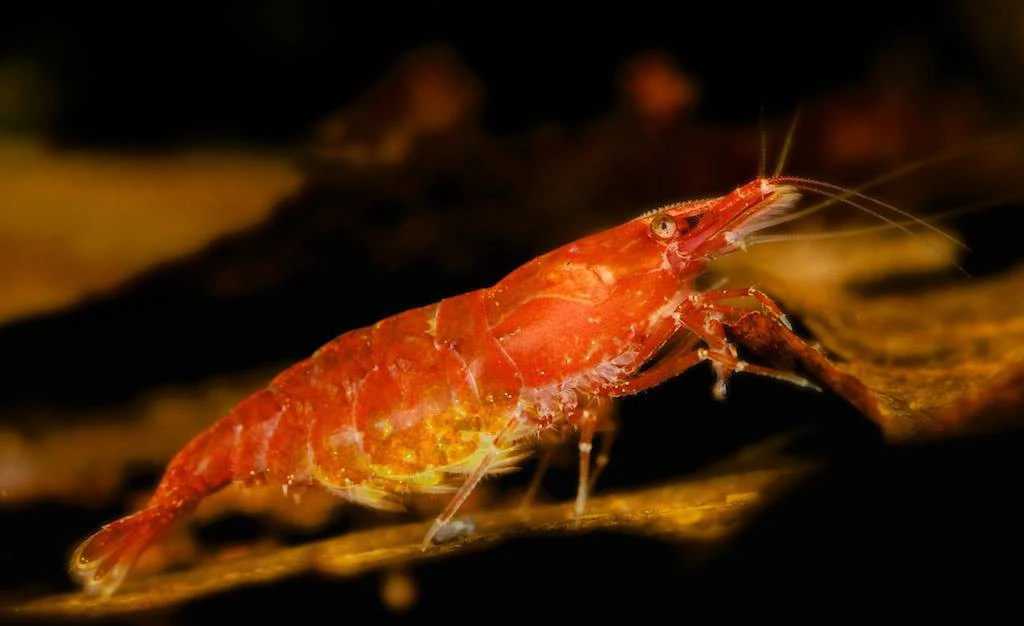
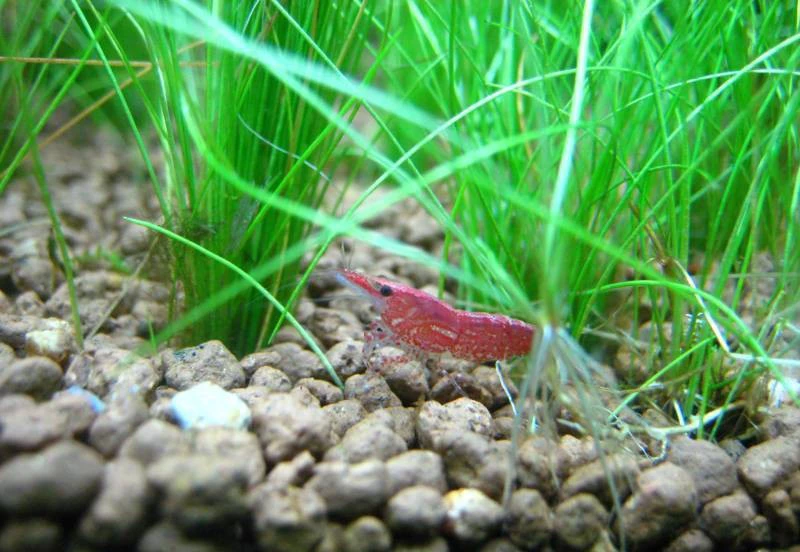
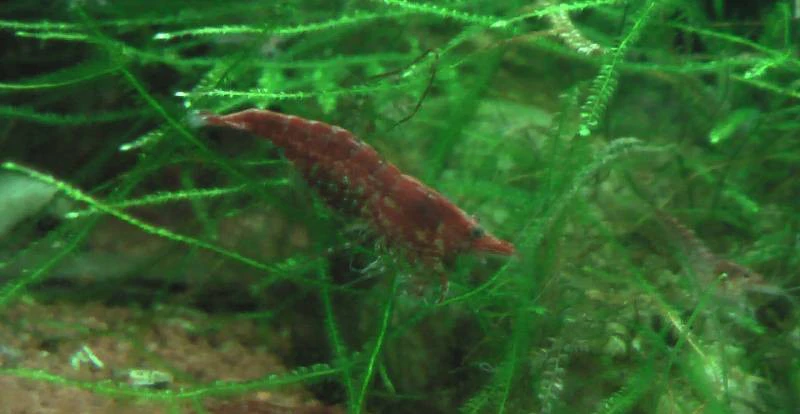
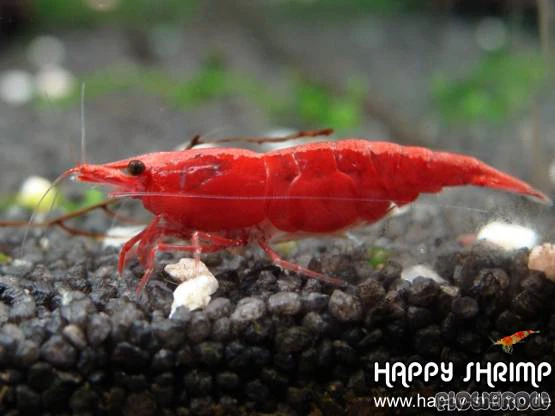
Description
The tank for Red Fire shrimp should have a capacity of at least 10 l; at this size, a small group can already be kept, but due to their rapid reproduction it can quickly become too small.
A fine-grained substrate should be chosen so that the shrimp can pick up individual grains and graze on them; their colours stand out better against a black substrate.
As far as planting is concerned, there is complete freedom of choice. Moss is readily grazed on and serves as a hiding place. Newly purchased plants should be soaked thoroughly, as pesticides could leach into the water.
Rumours that the shrimp react adversely or even die in response to plants such as Cryptocoryne, Anubias or Java fern have not been confirmed.
However, during periods when no food or only a little food is provided, plants such as Limnophila sessiliflora are readily eaten.
The diet of Red Fire shrimp can be very varied: from spinach, Hokkaido pumpkin and other vegetables (do not leave them in the water for too long!!) to commercially manufactured food, almost anything is possible. Frozen food is readily accepted and enhances the colours slightly, but feeding it too frequently causes moulting problems due to excessive animal protein.
Food should always be provided very sparingly. In a well-established tank, the shrimp will find plenty of mulm, which they readily eat. Mulm should therefore not be siphoned out during water changes.
No shrimp tank should be without leaf litter. Dried leaves such as walnut, oak, beech and Indian almond enrich the water with humic acids and serve as a healthy dietary supplement, especially for juveniles.
Raising the juveniles does not pose a major problem. If no predators such as fish live in the tank and there is enough mulm and leaf litter, large numbers of offspring can be expected.
Keeping them with tetras or livebearers poses no problem, although sufficient hiding places should be available for the juveniles. Shrimp get along extremely well with Corydoras catfish.
Most complete fertilisers are well tolerated by the animals.