background image
Aqua Diary
  • Community Aquariums
  • Articles
  • Install
  • Log In
Aqua DiaryAqua Diary
  • Terms of Service
  • Privacy Policy
  • Cookies
  • Data Deletion
  • Help & Support
  • Website Map
Aqua Diary © 2026 All rights reserved.
Yellow Fire shrimp
Yellow Fire shrimp
Shrimp

Yellow Fire shrimp

Neocaridina davidi "Yellow"

Taxonomy

Phylum:
Arthropoda
Subphylum:
Crustacea
Class:
Malacostraca
Order:
Decapoda
Suborder:
Pleocyemata
Family:
Atyidae
Genus:
Neocaridina

About the species

Key features:
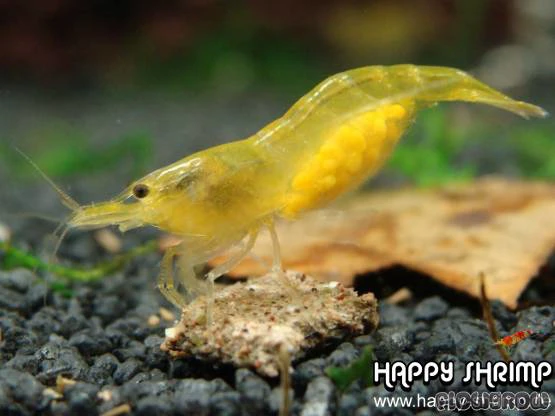
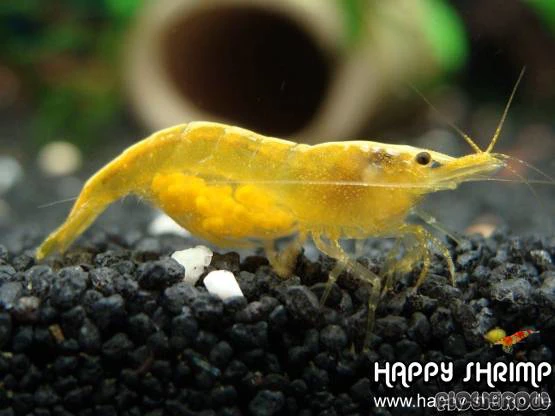
Intense yellow coloration, sometimes with a dorsal stripe that is also yellow.
Coloration:
Colorful

Tank

Nano tank:
Yes
Species tank:
No
Min. group:
10 pcs
Light:
Tolerates strong light

Plants

Plants in the tank:
Yes
Behavior toward plants:
Nibbles when hungry

Food and tankmates

Food

Blanched lettuce
Nettle leaves
Beech leaves
Flake food
Frozen food
Cucumber
Carrots
Live food
Catfish tablets

Shrimp compatibility

Shrimp offspring
Dwarf shrimp
Amano shrimp

Safe medications

Fenbendazole (Panacur)

Breeding

Development type:
Direct (young look like adults)
Number of young:
Up to 40 eggs
Clutch size:
Up to 40 young
Frequency:
Under good conditions, approximately every 4–6 weeks

Description

The Yellow Fire shrimp is the yellow colour variety of Neocaridina heteropoda.

Its requirements are identical to those of the Red Fire shrimp, with which it can also interbreed.

Through continuous selective breeding, an intensely yellow-coloured strain can be established.

The Yellow Fire shrimp can be kept with other shrimp and nano fish without any problems. When kept with larger fish, however, several hiding places should be provided in the aquarium so that the offspring can shelter there safely.

Under good conditions, as soon as the females reach sexual maturity, they carry a saddle in the neck area where the eggs develop. It is very easy to see shortly before the female moves the eggs under her abdomen. She also releases substances that influence the males. They then seek out the female emitting the attractants and try to attach a sperm packet beneath her abdomen. After fertilisation, it takes approximately 4 weeks before up to 40 fully developed young are released.

(Lars Kindermann)

How breeding happens

Under good conditions, as soon as the females reach sexual maturity, they carry a saddle in the neck area where the eggs develop. It is very easy to see shortly before the female moves the eggs under her abdomen. She also releases substances that influence the males. They then seek out the female emitting the attractants and try to attach a sperm packet beneath her abdomen. After fertilisation, it takes approximately 4 weeks before up to 40 fully developed young are released.