
Very Easy
Low to High
Very Fast
4-30°C(opt: Not specified)
≤40mg/L
5-9
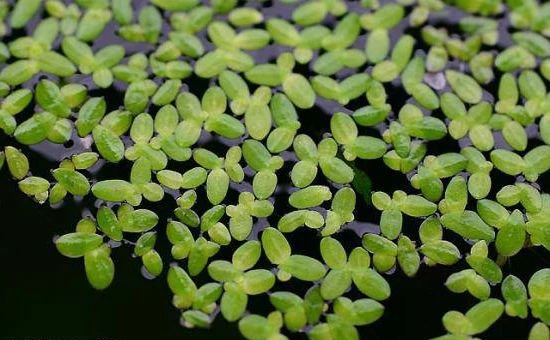
Lemna species, also known as duckweed, thrive in stagnant or slow-flowing waters worldwide. They often grow unnoticed in aquariums, hiding among other plants, making them difficult to eradicate. The most common species found are L. minor, L. minuta, L. valdiviana, and Landoltia (Spirodela) punctata. Some species can coexist in the same tank. Lemna minor, native to Central Europe, tolerates low pH values and cold temperatures. In winter, it produces turions, which sink to the ground, ensuring its survival during harsh conditions. Duckweed is a hardy plant that thrives with nutrient-rich water and medium lighting. It reproduces mainly through budding, producing daughter plants from "bags" on its sides. This rapid growth can lead to an overgrowth of duckweed, making it difficult to control. Water movement exacerbates this issue. Some fish, like goldfish and cyprinids, consume duckweed. Due to its high growth rate and shading capabilities, duckweed is not recommended for aquariums. However, it may be beneficial in tanks mimicking natural habitats or for raising young fish, as it provides hiding spots, reduces nitrate levels, and creates a natural environment with its vertical roots.
Check compatibility based on your aquarium parameters
Create account to check compatibility
Add your aquarium parameters and see if this plant will thrive
Already have an account? Sign in