
Microsórum ptéropus
Very Easy
Low to High
Slow
4-30°C(opt: 24°C)
5-40mg/L
5-8
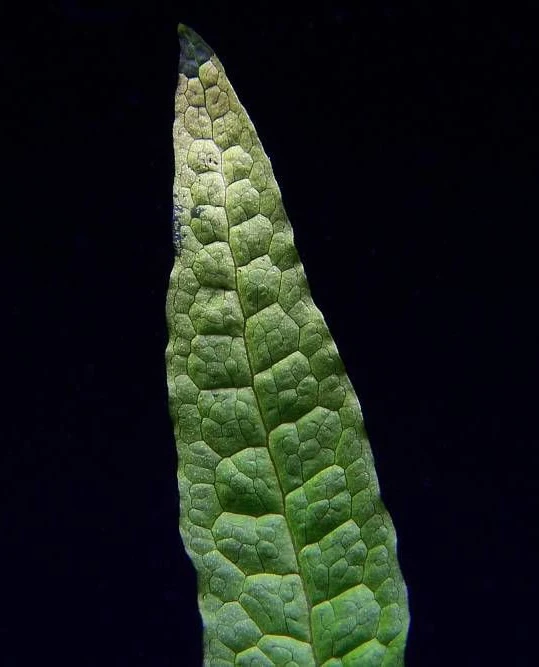
Microsorum pteropus, also known as Java fern, has been widely used in aquarium hobby due to its easy cultivation and decorative value. The species has undergone changes with the introduction of different forms, one being Microsorum pteropus 'Philippine'. This variety features small, fresh green leaves with a distinctive "hammered" surface, making it an attractive addition to aquaristic displays. Introduced by Tropica, M. pteropus 'Philippine' requires specific water conditions, including a total hardness of 10° dGH and pH of 6.6 or more, to thrive. In its natural habitats, the plant grows in brackish waters on the island of Panay. If these conditions are not met, leaves may develop black spots and holes. For optimal growth, provide low light, minimal fertilization, and a low CO2 level. Under brighter lighting with added CO2 and fertilizer, the plant turns bright green, grows rapidly, and becomes more robust. Best used as an epiphyte on driftwood or rocks, it can also be placed on the ground provided its rhizome is not covered or planted in substrate. Propagation involves cutting the rhizome into parts or separating daughter plants growing on leaves from the mother plant. The mature plant can reach 30 cm in height or more, requiring careful placement and regular removal of adventitious plants to maintain appearance.
Check compatibility based on your aquarium parameters
Create account to check compatibility
Add your aquarium parameters and see if this plant will thrive
Already have an account? Sign in